
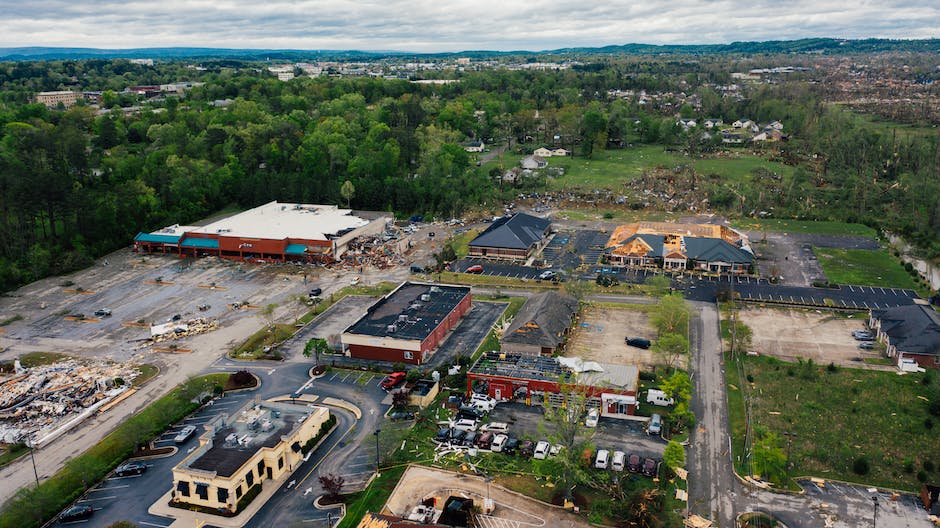
Roofing materials, the first line of defense against the elements, are significantly impacted by weather conditions. This article will delve into the effects of various weather conditions on different roofing materials, providing valuable insights for homeowners, contractors, and anyone involved in the construction or maintenance of buildings. Understanding these impacts can guide the selection of appropriate roofing materials, ensuring durability and longevity.
Understanding the Impact of Weather on Roofing Materials
Our homes’ roofs act as the first defense against the elements, protecting us from nature’s wrath. However, these protective materials are constantly exposed to many environmental conditions. From blistering heat to bone-chilling cold, from powerful winds that can topple trees to varied forms of precipitation such as rain, snow, and hail, our roofs bear the brunt of it all.
This exposure to weather elements leaves indelible marks on our roofs, impacting their lifespan and cost-effectiveness. This article will explore the complex interplay between weather and roofing materials, exploring how different materials withstand various weather conditions. Moreover, we will provide invaluable advice on weatherproofing your roof. Join us as we unravel the significant role weather plays in determining the performance and longevity of your roofing material.
Weather Conditions and Their Effects on Roofs
Various weather conditions can significantly influence a roof’s durability, lifecycle, and overall performance. Let’s examine the specific weather elements and their effects on roofs.
-
Sun Exposure: Prolonged exposure to direct sunlight can cause roofing materials to fade, warp, shrink, or crack, especially in hot and sunny regions. For instance, asphalt shingles can lose their protective granules over time due to UV radiation.
-
Precipitation: Rain, snow, and hail can cause excessive moisture, leading to the weakening of shingles and potential leaks and water damage. Hailstorms can cause immediate and visible damage to roofs, including cracking, denting, or displacing roofing materials. Snow and ice accumulation can lead to ice dams, trapping water on the roof and causing structural damage over time.
-
Wind: High-speed winds can cause uplift, loosening, ripping, or completely blowing away roofing materials, exposing the underlying roof structure. Wind-driven rain can also penetrate under roofing materials, making the roof deck and home interior susceptible to water damage and mold growth.
-
Thermal Shock: In areas with fluctuating temperatures, rapid temperature changes can cause roofing materials to expand and contract, impairing the roof’s integrity over time.
-
Debris: Falling branches or flying debris during high winds or storms can cause direct damage to your roof surfaces.
It’s crucial to remember that these weather conditions can combine, potentially accelerating the roof’s deterioration. The following sections will discuss how different roofing materials resist these weather conditions.
Different Roofing Materials and Their Weather Resistance
A roof’s endurance under varying weather elements largely hinges on its material. Each type, possessing unique characteristics, offers varying resistance to weather conditions.
Asphalt Shingles
Favored for cost-effectiveness and aesthetics, asphalt shingles provide good weather resilience. They withstand heat and UV due to their granular surface. While they repel rain efficiently, they might harbor algae in damp settings. Hail can cause granule loss, and high winds may dislodge improperly installed shingles. Frequent temperature changes can also affect their lifespan.
Metal Roofs
Metal roofing, though costlier initially, stands robustly against diverse conditions. Its reflective nature combats sun-induced damage. The smooth, seam-limited design ensures efficient rain runoff and its non-porous nature combats mold. While thicker metal can resist hail, significant impacts might dent it. Properly installed metal roofs resist windstorms and adjust well to rapid temperature shifts, offering long-term value.
Wooden Roofs
Offering natural charm, wooden roofs made from wood like cedar or redwood face some weather-related challenges. UV can cause them to become brittle, and prolonged moisture exposure can instigate rot.
Hail can dent wooden shingles, and high winds might dislodge them. However, their natural insulation and flexibility make them resilient to temperature-induced stress. Maintenance is key, involving treatments against moisture and UV radiation.
Tile Roofs
Primarily made of clay, concrete, or slate, tile roofs are prized for longevity and aesthetics. They effectively combat sun and heat, maintain color, and prevent warping. Their design promotes efficient water shedding, but hail can damage them.
Wind resistance is commendable due to its weight and design, yet improper installation risks tile displacement. Tile roofs handle thermal shifts well, given their thermal stability. Regular inspections ensure their prolonged durability.
Selecting the right roofing material involves understanding its interplay with prevalent weather conditions. Making an informed choice can ensure a balance of aesthetics, longevity, and cost-efficiency.
Tips for Weatherproofing Your Roof
Choosing the right roofing materials for your local climate is the first step in protecting your roof from the elements. A proactive approach to roof care is necessary to combat sun, rain, wind, hail, and temperature fluctuations.
This ensures your roof’s resilience against nature’s forces, regardless of its material. This section will explore actionable strategies for weatherproofing your roof, emphasizing the importance of regular inspections and maintenance, the role of correct installation, and the need for climate-appropriate material selection.
Regular Inspections and Maintenance
Regular inspections and diligent maintenance significantly influence the longevity and durability of your roof. Spotting early signs of damage, such as missing shingles, loose tiles, or rust on metal roofs, can prevent minor issues from escalating into costly repairs.
Scheduling inspections is a delicate art. Ideally, your roof should be inspected twice annually: once following the winter season to assess any damage from snow or ice, and once after summer to check for sun damage. Inspections following severe weather events are also advisable.
Maintenance routines vary with the type of roof. For example, metal roofs may need periodic repainting to resist UV rays, while wooden roofs require treatments to enhance their water resistance. Tile roofs, on the other hand, need regular checks for cracked or broken tiles.
Roof maintenance extends beyond the roof itself. Ensuring debris-free gutters and downspouts prevent water backup that could damage your roof. Regular roof cleaning to remove dirt, algae, or moss not only enhances the appearance of your roof but also extends its lifespan by making it easier to spot potential issues.
Engaging roofing professionals for your inspection and maintenance tasks is highly recommended. Their expertise and specialized equipment ensure thorough and safe inspections, contributing to the effective weatherproofing of your roof.
The Impact of Correct Installation
The quality of its installation significantly influences the weather resistance of a roof. Even the most durable and high-quality roofing materials can fail to protect against weather elements if installed incorrectly adequately.
For example, shingles, tiles, or metal sections must be properly aligned and securely fastened to prevent gaps or loose sections that could be exploited by wind or water. Incorrect overlapping of roofing materials can result in water ingress, leading to internal dampness and structural damage.
In the case of metal roofs, improper installation can cause issues such as oil canning or poor thermal movement. Wooden and tile roofs also require precise fitting and an optimal slope to ensure efficient water runoff.
Poor installation can compromise roof ventilation, a critical factor in managing condensation and preventing heat buildup in warmer climates. Inadequate ventilation can cause temperature extremes, leading to accelerated aging and potential warping of the roof.
Proper installation also involves correctly integrating flashing around chimneys, skylights, vents, and other roof protrusions to prevent leaks.
To ensure your roof can withstand the rigors of weather, it’s essential to engage a skilled and reputable roofing professional for the installation. Professionals adhere to manufacturer’s guidelines and industry best practices, ensuring your roof’s durability, weather resistance, and longevity.
Selecting Roofing Materials Based on Climate
The choice of roofing materials can significantly influence your roof’s longevity, performance, and energy efficiency. This is particularly true when you consider the climate of your locale. Different roofing materials’ varying durability and weather resistance make them more or less suitable for certain weather conditions.
In regions where the sun’s rays are intense, and heat is extreme, materials with high UV resistance are essential. Consider clay or concrete tile roofs, known for their durability and heat resistance. Metal roofs are another viable option, as they can effectively deflect heat away from your dwelling.
For those living in areas with high levels of rainfall or humidity, it’s crucial to have a roof that can resist water damage and shed water quickly. In this case, metal roofs and asphalt shingles are often the best choices. Their water-shedding abilities and resistance to moisture damage make them ideal for such climates.
In contrast, regions with heavy snowfall require roofing materials that can withstand the weight of accumulated snow and ice. Roofs with a steep slope, made of metal or slate, are often recommended. The steep incline allows snow to slide off easily, reducing the potential weight on the roof.
The focus should be on wind resistance in areas prone to high winds. Here, metal, slate, and tile roofs are often the best choices. Their weight, structural integrity, and interlocking designs make them resistant to wind damage.
Materials that resist cracking or warping due to thermal shock are advisable when handling temperature fluctuations. Clay and slate tiles, known for their dense nature and thermal stability, are excellent choices.
Conclusion
In conclusion, considering your local climate when choosing roofing materials can help ensure a durable, weather-resistant roof that performs optimally over time. For additional guidance, consider consulting with roofing professionals or referring to local building codes. These resources can provide further insights and recommendations tailored to your specific climate and weather conditions.
If you’re looking for flat roof repair services near you, check out our blogs at Roof Nation to see your options.