
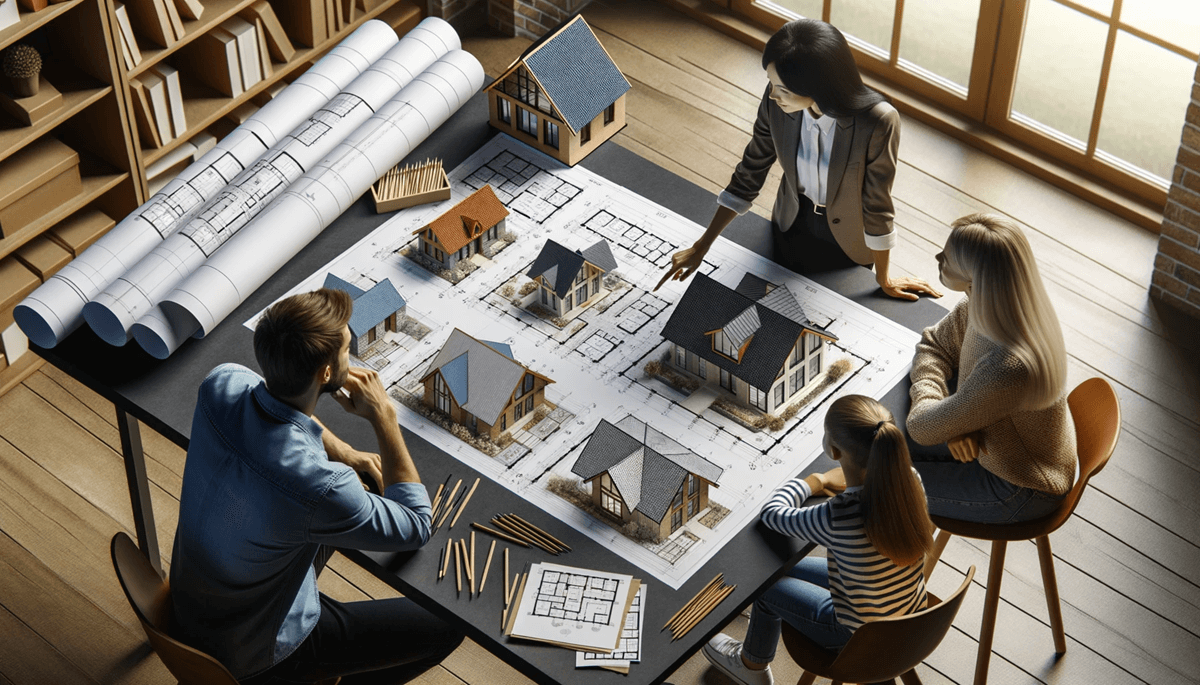
Choosing the right roofing material for your home is a critical decision that can significantly impact your property’s longevity, aesthetics, and overall value. This decision requires a thorough understanding of the various roofing options available, their benefits, drawbacks, and suitability to your specific needs and circumstances.
This article aims to guide you through the process, providing expert insights into different roofing materials, key factors to consider when choosing, and the importance of professional installation and maintenance.
Understanding Your Roofing Options
Choosing the ideal roofing material affects your home’s durability, aesthetics, and maintenance. Knowing the best fit for your needs and budget is essential, with many choices available.
Asphalt Shingles
Asphalt shingles in the U.S. offer a good balance between cost and durability. Made from asphalt-saturated materials, they come in various colors and two main types: 3-tab (affordable and lightweight) and architectural (dimensional with superior durability).
While their lifespan is generally 20-30 years, it can vary based on climate and installation quality. Despite being budget-friendly, always opt for professional installation for the best results.
Metal Roofing
Metal roofing stands out for its durability, environmental advantages, and longevity. Available in types like steel and aluminum, they can last between 40 to 70 years. They resist elements like fire and pests and, made largely from recycled content, are eco-friendly.
Their reflective properties can also aid in reducing energy costs. The initial cost might be higher, but the long-term benefits, including minimal maintenance, make them a worthy investment.
Wood Shingles and Shakes
Wood shingles and shakes provide a unique, natural look. Typically made from cedar or redwood, they can give a home a rustic charm. Machine-cut shingles are smooth, while hand-split shakes have a more textured look.
With proper care, wood shingles can last 25-30 years and shake up to 40. Regular maintenance is crucial to prevent issues like rot. Installation can be intricate, and potential buyers should know local fire codes that might affect their use.
Slate Roofing
For an aesthetically pleasing and durable option, consider slate roofing. This natural stone offers resilience against severe weather and can last a century or more. It’s eco-friendly, recyclable, and fire-resistant. The weight and specialized installation can raise costs. Since slate can be fragile under pressure, it’s best to leave any maintenance or repairs to experienced professionals.
Clay and Concrete Tiles
These tiles add a touch of elegance and are often associated with specific architectural styles. Both clay (fired in kilns) and concrete (cement and sand mix) tiles are durable, lasting 50-100 years. Environmentally friendly, they provide great insulation, enhancing energy efficiency. Like slate, they’re weighty, requiring a structural assessment before installation. They’re pricier initially but compensate with longevity and low upkeep needs.
Each roofing material comes with distinct advantages, costs, and considerations. Prioritize your needs, budget, and local conditions when making your decision.
Key Factors When Choosing Roofing Materials
Choosing the right roofing material for your property involves carefully analyzing various elements. Your budget, local climate, desired lifespan of the roof, and aesthetic preferences all play a crucial role in this decision-making process.
Cost Considerations
The financial aspect is a key determinant in the selection of roofing material. The cost of roofing materials spans a wide range, from budget-friendly options such as asphalt shingles to more premium choices like slate or clay tiles.
However, it’s crucial to look beyond the initial cost. The expenses associated with installation, potential repairs, the material’s lifespan, and maintenance requirements are also essential to the cost evaluation. Some materials, while having a higher upfront cost, may necessitate less maintenance and offer a longer lifespan, thus proving to be cost-effective over time.
Lifespan and Durability
In roofing, the longevity and resilience of your chosen material are paramount. Materials that endure the rigors of severe weather and daily wear will prolong your roof’s life.
Take, for instance, asphalt shingles. They’re a budget-friendly option, but their lifespan is typically about 20 years. On the other hand, materials like metal roofing and clay or concrete tiles, known for their durability and resistance to weather, can serve you for 50 to 100 years or even longer with the right upkeep. Slate roofs, while pricier, can outlast a century of use.
It’s also important to factor in the specific challenges your roof may encounter, such as high winds, heavy precipitation, snowfall, or even wildfires. Certain materials are better equipped to handle these conditions. For instance, metal roofs are ideal for regions prone to high winds, while slate roofs and tiles offer fire resistance.
Remember that a roof’s lifespan isn’t just about the number of years it lasts. It also translates to less frequent replacements and potentially lower maintenance costs. A durable roof that stands the test of time can yield substantial savings and provide peace of mind in the long run.
Aesthetics
The aesthetic appeal of your roof is a subjective yet vital factor when selecting a roofing material. The roof significantly contributes to your property’s overall look, and the material and color you choose can either boost or diminish its curb appeal.
Roofing materials bring a unique texture, color palette, and style. For instance, wood shingles and shakes lend a timeless, rustic charm, while asphalt shingles give a more conventional look. Metal roofs can add a sleek, contemporary touch, clay and concrete tiles evoke a Mediterranean or Southwestern feel, and slate roofs can project an air of elegance and sophistication.
The most aesthetically pleasing roofing material largely depends on your taste and the architectural style of your property. Consider the look you want and how the roof will complement your building’s design. Don’t forget that the color of your roof can also contribute to energy efficiency, with lighter shades reflecting more sunlight and helping to keep your property cool.
A well-chosen roof should not only perform its function effectively but also harmonize with your property’s overall aesthetic and the surrounding landscape, thereby enhancing the attractiveness and value of your property.
Climate Suitability
When selecting the perfect roofing material, it’s crucial to consider your locale’s climate and weather patterns. Different materials have varying degrees of resilience to specific climatic conditions, making this a key factor in your decision-making process.
For instance, metal roofs can be a smart choice if you reside in a region with high temperatures. Their reflective properties can help deflect solar heat, keeping your home cooler and reducing air conditioning costs. Similarly, clay and concrete tiles are known for their excellent insulation properties, making them a viable option for warmer climates.
In contrast, if you live in an area prone to severe winds or hurricanes, you might consider metal roofing or specially engineered asphalt shingles for their superior wind resistance. For regions with heavy rainfall or snowfall, slate and metal roofing offer an advantage with their quick shedding of water and snow, preventing unwanted build-up.
It’s also important to note that roofing materials react differently to temperature fluctuations. While wood shingles and shakes may split or crack under significant temperature changes, metal and slate roofs are more resilient to such variations.
By carefully considering your local climate and weather patterns, you can select a roofing material that will not only withstand the elements but also enhance the longevity and resilience of your roof.
Role of Professional Installation and Maintenance
While choosing the right roofing material is critical, ensuring it’s professionally installed and maintained is equally important. This plays a significant role in your roof’s overall performance and lifespan.
An experienced roofing contractor can guarantee proper installation in line with industry standards and manufacturer guidelines. This not only ensures the optimal performance of your roof but also prevents potential issues down the line.
Moreover, regular maintenance is key to preserving the condition of your roof over its intended lifespan. This includes regular inspections to identify and rectify minor damages before they escalate, as well as proper cleaning to prevent the accumulation of debris. By prioritizing professional installation and diligent maintenance, you can enhance the functionality and longevity of your roof, ensuring it stands the test of time.
Significance of Professional Installation
Embarking on a roof installation project is a substantial undertaking that necessitates the expertise of a seasoned professional. A skilled installer’s role in ensuring your roof’s longevity and efficacy is paramount.
A seasoned installer brings knowledge and experience to the table, ensuring that your roofing material is fitted perfectly. They are well-versed in the intricacies of various materials, the installation process, and the appropriate tools and techniques to employ. This expertise guarantees that your roof can withstand the elements and effectively fulfill its purpose.
Moreover, professional installers are well-acquainted with local building codes and regulations, ensuring your roof is up to standard. They can seamlessly integrate the roofing material around obstacles such as chimneys and vents and ensure proper ventilation.
It’s also worth noting that many manufacturers’ warranties are contingent on their products being installed by a certified professional. Thus, opting for professional installation fortifies your roof and safeguards your investment by preserving these warranties.
Maintenance
Beyond the initial installation, the regular upkeep of your roof is crucial to prolong its lifespan and maintain its aesthetic appeal and functionality. The nature and frequency of maintenance tasks can vary greatly depending on the type of roofing material.
For example, metal roofs typically require minimal upkeep, while wooden shingles may need frequent treatments to ward off mold and rot. Clay and concrete tiles, on the other hand, may necessitate periodic inspections to replace any damaged tiles.
Typical maintenance tasks include regular checks for damage, clearing debris and leaves, and vigilance for signs of water leakage or mold. In regions prone to heavy snowfall, timely snow removal is vital to prevent roof damage.
Conclusion
Professional roofing contractors can provide a maintenance schedule tailored to your specific roofing material and local climate conditions. Regular upkeep extends the life of your roof and facilitates early detection of potential issues, thereby minimizing repair costs in the long run.
Roof replacement can be tricky, and finding professionals who can help can make a difference. Learn more about your options from our blogs at Roof Nation.