
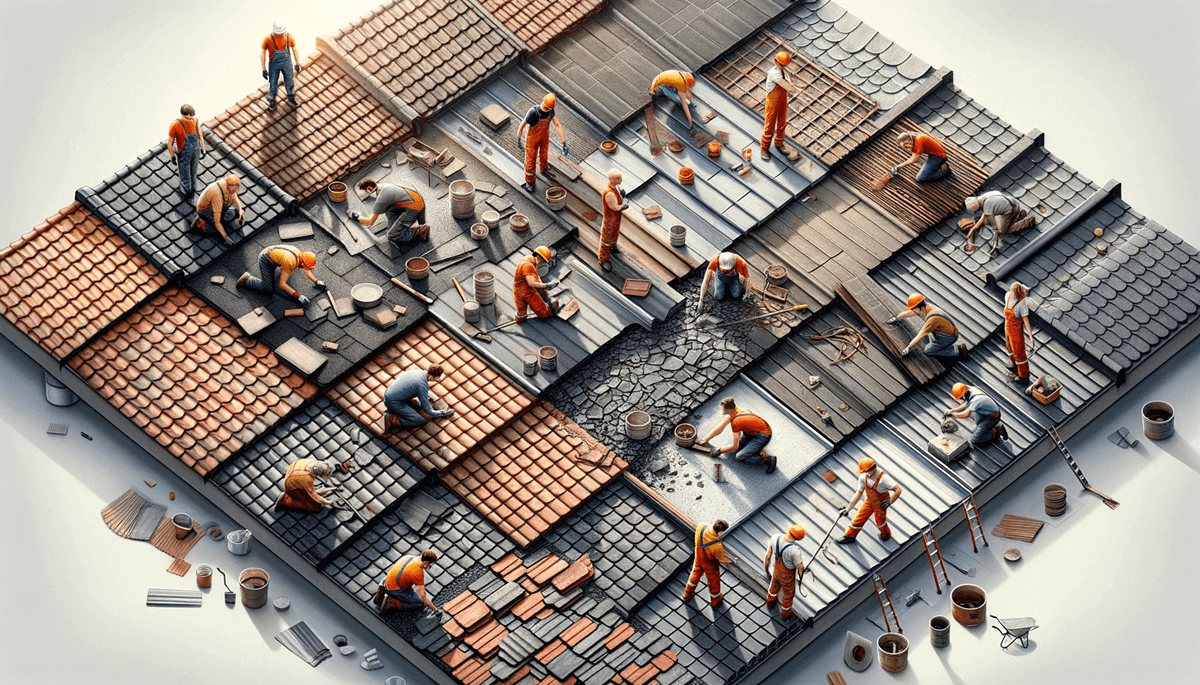
Roofing materials, whether they’re asphalt shingles, metal, or tile, each come with their own unique set of maintenance requirements. As a homeowner or property manager, understanding these requirements is crucial to extending the lifespan of your roof and ensuring it continues to protect your property effectively.
This article will guide you through the necessary maintenance steps for different roofing materials, helping you keep your roof in top condition for years.
Maintenance of Asphalt Shingles
Asphalt shingles, a favorite among American homeowners, are renowned for their durability and affordability. Yet, to ensure their longevity and keep them looking their best, a consistent maintenance routine is essential. This routine should include regular inspections and damage control measures to identify granule loss or warping issues.
Moreover, regular cleaning can prevent the growth of harmful organisms like algae, moss, or lichen, which can slowly degrade your roof. Moreover, proper ventilation plays a crucial role in maintaining asphalt shingles, helping to control attic temperatures and prevent premature aging of the material. Let’s explore these key maintenance aspects of asphalt shingles in more detail.
Periodic Inspections and Damage Control
Regular twice-yearly inspections safeguard your asphalt shingle roof’s health, especially post-severe weather. Look for damaged, missing, or curled shingles indicating water infiltration risk. Granules in gutters signal shingle wear. Prioritize roof edges, prone to wear.
Addressing early signs can avoid full roof replacements, but significant damage may necessitate it. Examine flashings around vents and chimneys; common leak sites. If uncertain, consult a professional roofer immediately. Timely inspections paired with proactive damage control are pivotal for roof longevity.
Cleaning and Ventilation
Asphalt shingles can accumulate dirt, debris, and organic growth, impacting both aesthetics and roof longevity. Clean using gentle detergents and a low-pressure hose. Avoid high-pressure washers, which damage shingles. For heavy stains or moss, consider specialized shingle cleaners. Prioritize safety during cleaning; professional services are advisable for challenging roofs.
Ventilation is vital. Poor ventilation can cause shingle warping, ice dams, and mold, reducing roof lifespan and raising energy costs. Ensure balanced attic ventilation through intake (soffit or gable) and exhaust (ridge or roof) vents.
In essence, regular roof care, correct cleaning practices, and efficient ventilation are foundational for maximizing your asphalt shingle roof’s lifespan.
Maintenance of Metal Roofs
Metal roofs, while celebrated for their durability, energy-efficiency, and low maintenance needs, still require regular care to maintain their longevity and optimal performance. The specific maintenance procedures may vary depending on the type of metal used, but there are some universal practices that can help keep your metal roof in peak condition.
These maintenance tasks encompass regular inspections, rust and scratch management, and the implementation of appropriate cleaning and sealing procedures. Adhering to these recommended steps will safeguard your investment and ensure your metal roof remains in top-notch condition for as long as possible.
Periodic Inspections, Rust, and Scratch Management
The cornerstone of metal roof upkeep is regular inspections. Ideally, these should be scheduled biannually and immediately following severe weather conditions. Your primary goal during these inspections is to identify any visible damage, such as dents, scratches, or loose fasteners. Unaddressed, these issues can undermine the roof’s structural integrity and result in leaks.
Pay special attention to the seams and fasteners, as these are the most common areas for potential leaks. If you discover any loose or missing fasteners, replace them immediately to prevent water infiltration.
Rust is another key factor to monitor in metal roof maintenance. While most contemporary metal roofs are treated with a rust-inhibiting coating, rust can still form if the coating is worn or scratched. If rust spots are detected, eliminate them using a wire brush, then apply a primer and a high-quality metal paint that matches your roof’s color for concealment and additional protection.
Scratches or scuffs on your metal roof can also lead to rusting over time if not addressed. Minor scratches can often be touched with matching paint or coating, while larger areas may require professional intervention. Be mindful of any tree limbs in contact with your roof, as they can scratch the surface, wear off the protective coating, and potentially lead to rust or leaks.
To effectively manage these potential issues, it’s advisable to include professional roofing inspections in your maintenance plan. Professionals have the expertise to identify less obvious problems and can recommend optimal solutions to preserve your metal roof’s lifespan.
Cleaning and Sealing
Maintaining the cleanliness of your metal roof is vital for preserving its aesthetic appeal and durability. Over time, debris such as leaves, twigs, and dust can accumulate, trapping moisture against the metal surface and potentially causing corrosion and damage.
When cleaning your metal roof, use a soft brush or a low-pressure hose to remove surface dirt and grime. Start from the top and work your way down to prevent water from pooling. A mixture of mild detergent and water is usually sufficient for typical soiling. However, stubborn stains, moss, and lichen growth may require specialized cleaning agents designed for metal roofs.
Avoid using abrasive materials and harsh chemicals, which can harm the metal surface and its protective coating. Similarly, refrain from using a high-pressure washer, which can remove the protective coating or even dent the metal.
Sealing is another critical maintenance step for metal roofs. This process involves applying a protective sealant to prevent water infiltration and enhance the roof’s durability, particularly at the seams and fasteners. The sealant also shields the metal surface from UV damage and fading. While many metal roofs come with a factory-applied sealant, this sealant may wear off over time, necessitating a fresh application.
Remember that any cleaning or sealing task performed on a rooftop comes with inherent safety risks, from slipping hazards to dangers associated with heights. If you’re not fully equipped or comfortable performing these tasks, consider enlisting professional services to ensure thoroughness and safety.
Maintenance of Tile Roofs
With their unique blend of aesthetic charm and robust durability, tile roofs are a preferred choice for many homeowners. Despite their reputation for longevity with minimal upkeep, routine maintenance is crucial to ensure their lasting performance.
By implementing a consistent maintenance schedule, you can extend the life of your tile roof and maintain its structural integrity for decades. Key maintenance tasks for tile roofs encompass regular inspections, timely tile replacements, thorough cleaning, and underlayment checks. You can keep your tile roof in prime condition by mastering these tasks or knowing when to call in a professional.
Periodic Inspections and Tile Replacement
Consistent inspections are as vital for tile roofs as any other roofing material. It’s recommended to schedule these inspections at least biannually and following significant weather events to identify potential problems early. Be looking for broken, cracked, or missing tiles, which can lead to leaks or more extensive damage.
While beautiful and durable, tile roofs can be delicate and prone to damage, especially in areas where hail or falling debris is common. Even a single cracked or chipped tile can allow water to seep in, leading to leaks or damage to the underlayment. Therefore, replacing damaged or missing tiles is imperative as soon as they’re spotted.
Also, watch for mold, algae, or lichen growth signs. While these organisms don’t immediately threaten your roof’s structural integrity, they can detract from its appearance. There are various tile treatments available that can effectively remove these growths and prevent their recurrence.
Despite their strength, tile roofs can be brittle when subjected to pressure, requiring careful handling during inspections to avoid further damage. For example, walking on them could lead to cracked tiles. Therefore, it’s advisable to have these inspections performed by professionals equipped with the necessary tools and expertise to conduct a thorough and safe inspection, identify potential issues, and carry out immediate remediation.
Never underestimate the value of preventive maintenance. Regular inspections can differentiate between a simple tile replacement and a costly, extensive repair. By staying vigilant, you can ensure the longevity of your tile roof.
Cleaning and Underlayment Check
Maintaining the cleanliness of your tile roof is a crucial aspect of its upkeep. Over time, various elements, such as dust, debris, moss, and algae, can gather on the surface of your roof tiles. If not addressed promptly, these elements can mar your roof’s visual appeal and even shorten its lifespan.
A soft wash system is the most appropriate choice for cleaning tile roofs. While high-pressure washing systems can effectively remove stains, they may inadvertently damage the surface of the tiles or the underlayment beneath. A simple solution of mild soap and water is usually sufficient to remove any accumulated buildup on the roof. To avoid accidental tile damage, it’s recommended to entrust the roof cleaning task to a professional roofer.
Other than cleaning, it’s essential to check the condition of the underlayment regularly. This waterproof layer beneath the tiles serves as an additional barrier against water damage. However, this layer can deteriorate over time, and any damage or failure can result in roof leaks.
If your building is over two decades old and still has the original underlayment, it would be prudent to schedule an inspection. This task is best left to a roofing professional who can identify potential issues and make necessary adjustments or replacements.
Conclusion
In essence, despite tile roofs’ renowned durability and low maintenance requirements, regular cleaning and underlayment checks can significantly boost their lifespan and functionality. Like any roofing material, the secret to longevity lies in preventive maintenance – addressing potential issues before they necessitate extensive and expensive repairs.
Are you leaning towards asphalt shingles for your roofing job? Learn more about its pros and cons from our blogs at Roof Nation.