
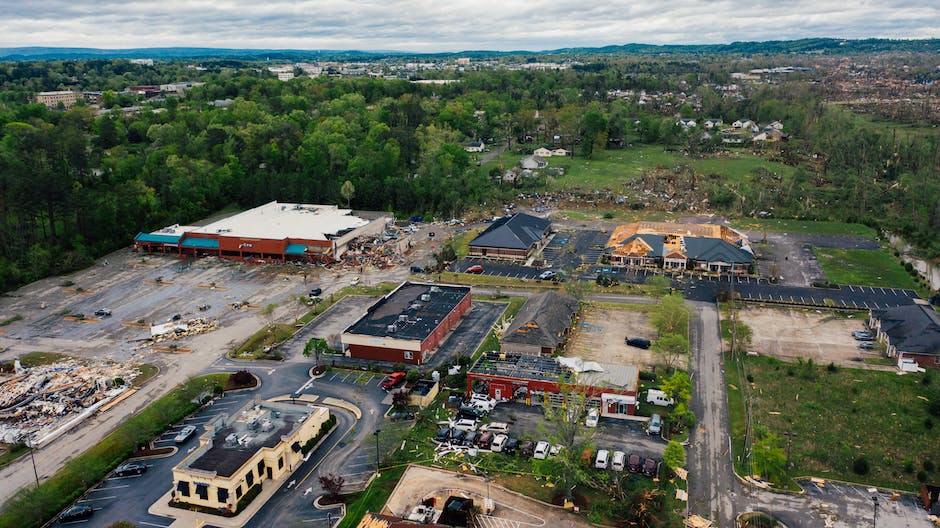
Proper planning and preparation help mitigate challenges posed by snow, thermal shock, and temperature fluctuations. Understanding the weather’s impact on roof installation is critical for ensuring durability.
This guide focuses on strategic planning to combat weather conditions, ensuring your roof installation is resilient against diverse climates. Read on to discover how to navigate these weather-related factors effectively.
Fast Facts
UV rays can reduce a roof’s lifespan by up to 50% if not properly shielded with UV-resistant materials.
Importance of Weather for Roof Replacement and Material Selection
Choosing the right roofing materials is crucial. It’s crucial to use roofing materials that can withstand UV rays because these rays can cut a roof’s longevity by as much as 50%[4]. Therefore, materials capable of protecting from this kind of harm are necessary. The local weather conditions significantly determine which materials will provide the best protection for your home. Here are some key points to consider:
Extreme Temperatures, Humidity Levels, and Precipitation Patterns
Extreme temperatures can wreak havoc on roofs if they are not equipped to handle them. In areas with scorching hot summers or cold winters, choosing roofing materials that can withstand these temperature extremes without deteriorating or becoming damaged is important. For example, metal roofs are known for their durability and ability to withstand high heat or heavy snow loads.
Humidity levels also need to be taken into account. Certain roofing materials may be more prone to mold growth or moisture damage in regions with high humidity. Materials with good moisture resistance, such as clay tiles or slate, may suit these areas.
Precipitation patterns should also influence your material selection. If you live in an area with heavy rainfall or frequent storms, you’ll want a roof that can effectively channel water away from your home and resist leaks[6]. Asphalt shingles are popular choices due to their affordability and water-resistant properties.
Adapting to Climate Changes
Climate change is causing shifts in weather patterns worldwide. It’s essential to consider these changes when selecting roofing materials for long-term durability and sustainability. For instance, if your region is experiencing increased severe storms or hailstorms, choosing impact-resistant materials like metal or synthetic shakes can help protect your roof from damage.
By understanding the impact of weather on roof installations and selecting appropriate roofing materials based on local conditions, you can ensure that your new roof will stand the test of time.
UV Rays and Sunlight’s Effect on Roofs
Exposure to UV rays can have a significant impact on the lifespan of your roof. The sun’s powerful rays contain ultraviolet (UV) radiation, which can cause damage to roofing materials over time. Here are some key points to understand about how UV rays and sunlight affect roofs:
Prolonged exposure to UV rays can cause degradation of roofing materials over time.
The sun’s UV rays can gradually break down the components of your roof, leading to deterioration and potential leaks. This is especially true for roofs that receive prolonged exposure to direct sunlight throughout the day. Over time, the constant bombardment of UV radiation weakens the structural integrity of shingles or tiles, making them more susceptible to damage.
UV radiation accelerates color fading, cracking, and deterioration of shingles or tiles.
One noticeable effect of prolonged sun exposure is the fading of colors on your roof. UV radiation causes pigments in shingles or tiles to break down, resulting in a dull and washed-out appearance. In addition to color fading, continuous exposure to sunlight can lead to cracking and brittleness in roofing materials. These cracks allow moisture to seep into the underlying layers, causing further damage.
Using UV-resistant roofing materials helps protect against sun damage.
To mitigate the negative effects of UV rays on your roof, it is essential to choose roofing materials that are specifically designed with UV resistance in mind. Many modern shingles and tiles come with built-in protection against sun damage. These materials incorporate special coatings or additives that reflect or absorb harmful UV radiation, reducing its impact on the roof’s longevity.
Fast Facts
Properly installed modern roofing materials can withstand wind speeds up to 110 mph, significantly reducing the risk of damage during severe storms.
Wind Damage and Its Impact on Roof Installation
Strong winds can have a significant impact on the installation of roofs. When wind speeds are high, they can lift or dislodge shingles, leading to potential leaks or even complete roof failure. It is crucial to understand the effects of wind damage and take appropriate measures during roof installation to ensure its durability and longevity.
Properly Installed Fasteners and Reinforcement Techniques
To withstand high winds, it is essential to use properly installed fasteners and reinforcement techniques during roof installation. This includes using strong nails or screws that securely attach the shingles to the roof deck. Reinforcement techniques such as sealants or adhesives can provide added protection against wind uplift.
Regular Inspections after Windy Conditions
Regular inspections after windy conditions are necessary to identify potential damage early on. After a storm with high winds, it is important to visually inspect the roof for any signs of shingle displacement or damage. Prompt repairs can prevent further issues like water damage or structural damage caused by compromised roofing materials.
Here are some key points to consider when it comes to wind damage and its impact on roof installation:
- Pros:
- Properly installed fasteners and reinforcement techniques increase the durability of roofs.
- Regular inspections help identify potential issues early on, allowing for timely repairs.
- Cons:
- Poorly installed fasteners or inadequate reinforcement techniques may lead to costly damages in case of strong winds.
- Refrain from regular inspections to avoid undetected damages that worsen over time.
Understanding how wind impacts roof installations is crucial for ensuring a sturdy and long-lasting structure. Using proper installation techniques, conducting regular inspections, and promptly addressing any identified issues, homeowners can protect their roofs from wind-related damage.
Extending the Lifespan of Your Roof: Factors and Tips
Regular maintenance and timely repairs are essential for extending the lifespan of your roof[5]. By taking proactive measures, you can protect your roof from damage caused by weather conditions and other factors.
Routine Maintenance
Performing routine maintenance tasks is crucial in preventing water accumulation that can lead to roof damage. Cleaning gutters regularly ensures proper drainage, reducing the risk of leaks and water seepage into your home. Removing debris such as leaves, branches, and moss also helps maintain the integrity of your roof.
Fast Facts
Regular roof maintenance can extend a roof’s life expectancy by up to 30%, preventing premature replacements and saving homeowners on long-term costs.
Regular Inspections
Regular inspections allow you to identify any small issues before they escalate into major problems. Hiring a professional roofing contractor to inspect your roof at least once a year is recommended. They can detect signs of damage, such as cracked or missing shingles, loose flashing, or deteriorating seals around vents and chimneys[2]. Timely repairs or replacements can then be carried out to prevent further damage.
Adequate Attic Ventilation
Proper attic ventilation plays a significant role in extending the lifespan of your roof. It helps reduce heat buildup in the attic during hot weather conditions, preventing excessive strain on roof materials. This reduces the risk of premature aging and deterioration. Installing ridge vents, soffit vents, or attic fans can improve airflow and promote better ventilation.
Regular Roof Cleaning
Periodically cleaning your roof not only enhances its appearance but also prevents the growth of algae, moss, and lichen that can cause damage over time. Use a gentle cleaning solution specifically designed for roofs, and avoid using high-pressure washers that may dislodge shingles or strip away protective coatings.
Heavy Rainfalls and Storms: Challenges for Roofing
Heavy rainfalls and storms can present significant challenges for roofing projects. It is crucial to understand the impact of various weather conditions on roof installation to ensure a durable and long-lasting roof. Let’s look at some of the challenges that heavy rainfalls and storms pose for roofers.
Water Pooling, Leaks, and Structural Damage
During heavy rainfall, water pooling can occur if the roof is not properly installed or lacks adequate drainage systems. This pooling can lead to leaks and cause structural damage over time. To mitigate these issues:
- Install proper drainage systems to redirect water away from the roof.
- Use materials that are resistant to moisture, such as asphalt shingles with waterproof coatings.
Strong Winds and Hail Damage
Storms with strong winds can pose a risk of shingle or tile displacement, compromising the roof’s integrity. Hailstorms bring additional challenges as they can cause impact damage to roofing materials[3]. Here’s how you can address these concerns:
- Choose impact-resistant materials like metal roofing or hail-resistant shingles.
- Ensure that shingles or tiles are properly secured during installation to withstand strong winds.
Mitigating Storm-related Issues
To minimize storm-related issues during roof installation:
- Monitor weather forecasts closely and plan roofing projects accordingly.
- Take extra precautions in regions prone to extreme weather conditions.
- Consider installing ice dam protection measures in areas with heavy snow accumulation.
Understanding how heavy rainfalls and storms affect roof installation is essential for homeowners and professional roofers. By addressing these challenges proactively, you can ensure a sturdy and resilient roof that will withstand various weather conditions.
Weatherproofing Your Roof for Longevity
Weatherproofing your roof is a strategic investment in your home’s longevity. This guide will explore effective techniques to shield your roof from the elements, ensuring it stands strong against the tests of time and weather and providing lasting protection for your home.
Applying weatherproof coatings or sealants
To protect your roof from moisture penetration, it’s essential to apply weatherproof coatings or sealants. These products create a barrier that prevents water from seeping into the roofing materials. By keeping moisture out, you can avoid issues such as leaks, mold growth, and structural damage.
Proper insulation for reduced heat transfer
Proper insulation plays a crucial role in weatherproofing your roof. It minimizes heat transfer, which not only helps regulate indoor temperatures but also reduces energy costs. In colder climates, insulation prevents the formation of ice dams by maintaining a consistent temperature on the roof surface. This ensures snow doesn’t melt and refreeze, leading to potential water damage.
Regular maintenance and resealing of vulnerable areas
Regular maintenance is key to maintaining the effectiveness of weatherproofing measures. Over time, exposure to harsh elements can wear down coatings or sealants. By inspecting your roof regularly and resealing any vulnerable areas, you can address potential weak points before they become major problems.
Weatherproofing your roof is an investment in its longevity and overall performance. By taking proactive steps to protect against moisture penetration and heat transfer, you can extend the lifespan of your roofing system while reducing energy costs[1].
Remember that professional roofers have the expertise to assess your specific needs and recommend the best solutions for weatherproofing your roof. Whether you need a new roof installation or repairs on an existing one, consulting with a reputable roofing contractor ensures the job is done right.
Conclusion
In conclusion, weather significantly affects roof installation and longevity. Selecting UV-resistant, wind-durable, and storm-proof materials is key. Consult with roofing experts to choose wisely based on your climate, ensuring your roof’s durability and safeguarding your investment.
Do you have a differently-abled client looking for renovations dealing with handicapped bathroom designs? Read through our blogs to know how or where to get started.