
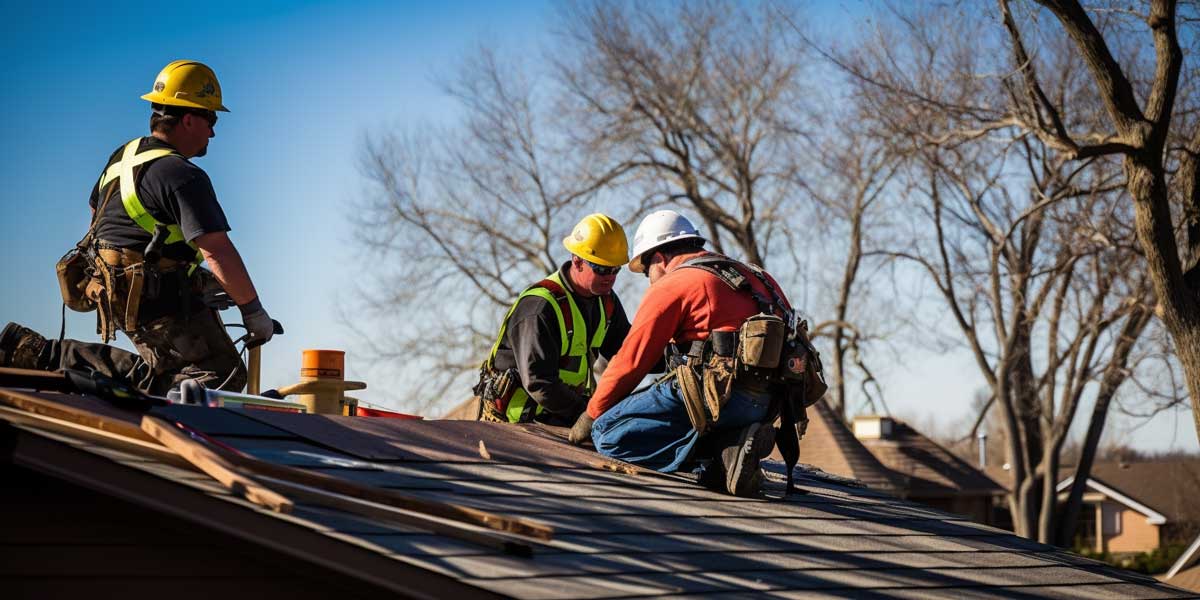
The lifespan of your residential roof is intrinsically linked to the type of material you choose and its maintenance. A well-cared-for roof can last from 20 years to a century, depending on the material. Each roofing material comes with its unique set of maintenance needs and durability levels, which can significantly impact its life expectancy.
Understanding these factors can help you make an informed decision that strikes the right balance between initial costs, sustainability, and long-term value. In this article, we will explore the specific maintenance requirements and durability of various roofing materials in detail.
Overview of Popular Roofing Materials
Navigating the vast landscape of roofing options can be challenging. Each material comes with its unique set of advantages, aesthetic qualities, and longevity. Here’s a closer look at four of the most popular choices among homeowners:
1. Asphalt Shingle
Asphalt shingles have cemented their place as one of the most widespread roofing materials due to their cost-effectiveness and straightforward installation process. Made from either organic paper fiber mats or fiberglass combined with asphalt, they’re inherently waterproof.
A notable feature is their versatility in appearance; they can mimic pricier materials such as wood or slate and come in various colors. On the durability front, homeowners can expect them to last between 20 to 30 years, contingent upon environmental factors and quality.
2. Metal Roofing
A paragon of durability and environmental consciousness, metal roofing materials range from aluminum and steel to copper and zinc alloy. This material can be fashioned into expansive panels or more intricate shingles. Its modern iterations present a diverse array of finishes and colors, effortlessly accommodating various architectural predilections. With meticulous care, a metal roof’s lifespan can stretch between an impressive 40 to 70 years.
3. Tile and Slate Roofing
Emanating a sense of luxury and longevity, tile and slate roofs stand distinct in the roofing landscape. Tiles are traditionally crafted from clay or concrete, while slate boasts of its origins as a refined stone product.
Apart from their undeniable visual appeal, these materials are a testament to time, with tile roofs offering a lifespan ranging from 50 to 100 years. In contrast, well-maintained slate roofs can serve a household for up to a staggering 150 years.
4. Wood Roofing
Imbued with a natural, bucolic charm, wood, often fashioned into shingles or shakes, evokes a sense of nostalgia. Varieties span from redwood and cedar to pine, with each presenting its unique shade and texture profile.
However, this beauty demands its price in maintenance. With regular care against adversaries like moss, mold, and rot, wood roofs promise a tenure of around 30 to 40 years.
MaintenanceNeeds
The upkeep required to maintain a roof’s optimal condition varies significantly depending on the material chosen.
Consider asphalt shingles, for instance. They are an economical choice and straightforward to install, but they may necessitate frequent care. This is due to their susceptibility to weather damage, which calls for regular inspections to replace any shingles that are worn or damaged.
Contrastingly, metal roofing is renowned for its durability, requiring minimal maintenance. A simple routine of regular cleaning, coupled with occasional repainting for certain types, is typically all that’s needed to keep a metal roof in top shape.
Tile and slate roofing, too, demand little in the way of maintenance. Regular cleaning and inspections for cracked or broken tiles are usually sufficient.
Wood shingles, although visually appealing, require a more hands-on approach to upkeep. To prevent decay, rot, and insect damage, they need to be treated regularly with a fire-resistant coating, particularly in areas prone to wildfires.
Regardless of the roofing material you select, regular professional roof inspections can help identify and rectify minor issues before they escalate into major, costly repairs, thereby prolonging the life of your roof.
Durability and Lifespan
The longevity and resilience of a roof are crucial factors to consider when choosing a roofing material. Essentially, it’s a matter of weighing your initial budget against the frequency of roof replacement or major maintenance.
Take asphalt shingles as an example. While they are the most budget-friendly option, they generally have a shorter lifespan compared to other roofing materials, typically lasting around 20-25 years.
Metal roofing, on the other hand, boasts an impressive lifespan, ranging from 40 to 70 year, depending on the quality of maintenance and local weather conditions. Additionally, metal roofs are highly resistant to extreme weather, fire, and termites.
Wood shingles or shakes can last approximately 30 years, but with meticulous care and maintenance, their lifespan can be extended.
When it comes to durability and lifespan, tile and slate roofs are unrivaled. Despite their higher initial costs, these materials can last anywhere from 50 to 100 years or more, often with minimal issues beyond the occasional tile replacement.
By choosing a material based on its durability and lifespan, you can optimize your investment and potentially save on costs associated with frequent repairs or replacement in the future.
Environmental Impact of Roofing Materials
As we navigate through an era where environmental preservation is paramount, the roofing material you select can play a significant role in the ecological footprint of your home. Some roofing materials are inherently more environmentally friendly, considering factors such as their manufacturing process, energy conservation capabilities, and recyclability. Let’s explore the environmental implications of various roofing materials, focusing on energy efficiency and their potential for recycling and eco-friendliness.
Energy Efficiency
The energy efficiency of your chosen roofing material can have a profound effect on your home’s overall energy use, directly impacting your heating and cooling expenses.
Consider asphalt shingles, for instance. While they may be cost-effective, they tend to absorb substantial amounts of heat, making them less energy-efficient. Particularly, darker shingles can intensify solar heat gain, which may lead to higher air conditioning costs during the warm months.
In contrast, metal roofing emerges as one of the most energy-efficient roofing materials. Light-colored metal roofs have the ability to reflect sunlight instead of absorbing it, helping to maintain a cooler home in hot weather. Additionally, when paired with an appropriate insulation system, metal roofing can help keep your home cozy during the colder months.
Tile and slate roofs also excel in maintaining consistent temperatures within a home due to their inherent properties. These materials are adept at minimizing heat transfer, which can subsequently reduce your home’s energy usage.
Furthermore, roofing materials can be enhanced with reflective coatings to boost their energy efficiency. This not only contributes to a more comfortable home but also aids in reducing energy bills. It’s also worth noting that a well-maintained roof reflects sunlight more effectively, underscoring the role of regular maintenance in energy efficiency.
Recyclability and Eco-Friendliness
When considering the environmental footprint of your roof, the recyclability and eco-friendliness of the material should be a key consideration.
Take, for instance, asphalt shingles. They are a popular choice, but their environmental impact is less than ideal. These shingles typically have a shorter lifespan and are infrequently recycled, resulting in a significant amount of waste ending up in landfills.
On the other hand, metal roofing stands out as a particularly green choice. Often constructed from a percentage of recycled material, metal roofs can be fully recycled once they’ve served their purpose. The longevity of metal roofing also minimizes the frequency of replacement, thereby reducing waste generation over time.
Tile and slate roofs also boast impressive eco-friendly credentials. Besides their energy efficiency, thanks to their reflective properties, these materials have exceptionally long lifespans. Once they’ve reached the end of their service life, they can be crushed and repurposed, further reducing waste.
Wood shingles and shakes present another eco-friendly option, provided they are sourced responsibly. As wood is a renewable resource, these shingles decompose at the end of their lifespan, leaving minimal waste. However, it’s worth noting that the use of certain preservative treatments can compromise their biodegradability.
In essence, the environmental impact of your roofing material is a crucial factor to consider. It not only contributes to a more sustainable planet but could also lead to significant cost savings, especially with energy-efficient materials.
Frequently Asked Questions
1. What factors should be considered when choosing a roof material?
Several aspects come into play when selecting material for your roof, including cost, durability, aesthetics, local climate, weight, and installation requirements.
2. How does the local climate influence the choice of roofing material?
Local climate plays a significant role in roof material selection. Conditions such as high rainfall, strong winds, and extreme temperatures can influence the durability and performance of the roof, necessitating select materials suited to withstand these conditions.
3. Can the weight of the roofing material affect the structural integrity of the building?
The weight of the roofing material can indeed influence the structural integrity of a building. Heavier materials such as slate or tile may require additional structural support, which may elevate the total cost of installation.
4. Are eco-friendly roofing materials available and are they cost-effective?
Numerous eco-friendly roofing options exist, such as recycled plastic, wood, or metal roofs. These materials are not only sustainable but can also be cost-effective, offering energy-saving benefits that underpin their initial investment.
5. How does durability affect the cost-effectiveness of various roofing materials?
Roofing materials with high durability often prove cost-effective over time due to lower maintenance costs and longer lifespan. Premium materials such as metal, rubber, and slate, while involving a higher initial investment, offer significant long-term savings.
6. Is professional installation necessary for all types of roofing materials?
Professional installation is generally recommended for most types of roofing materials. Skilled installation ensures proper fitting and sealing necessary to maintain the roof’s performance, integrity, and warranty compliance.
Protect Your Roof With Professional Repair Services
As you consider the roofing material that will grace your home, remember that its durability and beauty are intricately tied to the material you choose and the care you provide. Your roof’s longevity is, after all, a reflection of your commitment to your home’s preservation.
While understanding the right roofing material is crucial, addressing timely repairs is equally paramount. Don’t let minor issues escalate into costly damages. If you’ve noticed any signs of wear or damage, it’s time to act. Reach out to trusted roof repair professionals today and ensure your home remains shielded and beautiful.