
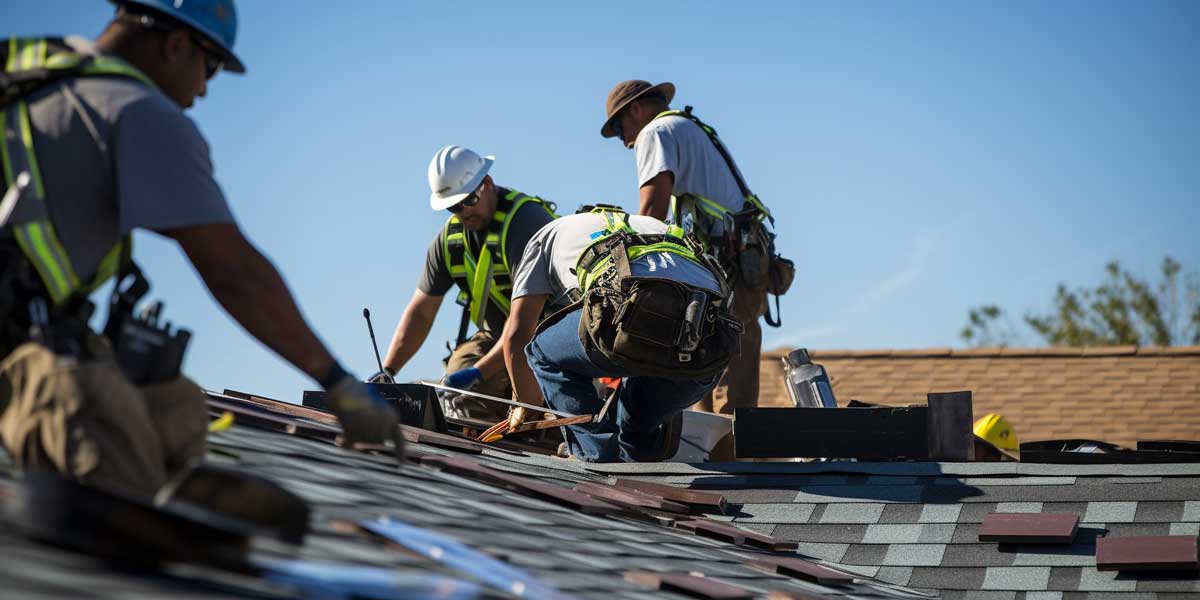
The roof isn’t just the crown of your home; it’s a critical component of your house that serves as a protector and guardian against the elements. Choosing the right material for your residential roof is a crucial decision that can significantly impact the longevity, durability, and aesthetic appeal of your home.
But with the countless variety of roofing materials available in today’s market, making an informed choice can feel daunting. In this comprehensive guide, we’ll explore different roofing materials, ensuring you find the perfect shield for your home. Let’s embark on this journey to discover the ideal roofing material tailored to your needs!
1. Asphalt Shingles
Asphalt shingles are a prevalent choice in roofing materials, renowned for their cost-effectiveness and straightforward installation process. These shingles are crafted with a base of either fiberglass or organic material, coated with a waterproof layer of asphalt, and finished with granules that provide color and protection against UV rays. Their wide array of styles and colors make asphalt shingles a versatile option, capable of complementing virtually any architectural design.
Pros and Cons of Asphalt Shingles
Asphalt shingles are favored by many homeowners for their cost-effectiveness and adaptability, including ease of installation and maintenance. They consist of a base (either organic or fiberglass), an asphalt coating, and a granular top coat that provides color and UV protection.
These shingles are relatively lightweight, reducing strain on your home’s structural integrity. They’re also easy to install, which translates to lower labor costs. With a broad spectrum of colors and styles available, homeowners can select shingles that best align with their property’s exterior aesthetics.
Asphalt shingles also offer varying degrees of resistance to extreme weather conditions. High-quality, architectural asphalt shingles fare better against wind, rain, and hail compared to basic 3-tab shingles. Therefore, in regions prone to severe weather, the type and grade of asphalt shingles should be carefully selected to ensure adequate protection.
Asphalt shingles fall short in terms of lifespan and durability. They typically last between 15 to 30 years, a shorter lifespan compared to other roofing materials like metal or tile. This means more frequent replacements and associated costs over the home’s lifetime.
Factors to Consider in Choosing Asphalt Shingles
While maintenance is generally straightforward, regular care is essential. Routine inspections to check for damage or wear, especially after storms, are crucial. Any damaged shingles should be replaced promptly to prevent further issues like leaks or structural damage.
When choosing asphalt shingles, consider the cost against the longevity and expected maintenance. It might be more cost-effective in the long run to invest a bit more upfront for higher-quality asphalt shingles.
2. Metal Roofing
Metal roofing is made from a diverse range of metals and alloys, including aluminum, steel, copper, and zinc. Metal roofs are celebrated for their durability and resilience to severe weather conditions. They come in various formats, such as shingle, shake, tile, and vertical panels. A well-installed metal roof can serve you for up to 50 years or more, minimizing the need for replacement.
Pros and Cons of Metal Roofing
Metal roofing is gaining traction for its unique combination of durability, aesthetic appeal, and longevity. Crafted from a variety of materials such as steel, aluminum, tin, or copper, these roofs lend a modern, sleek appearance to your home. They are also renowned for their impressive lifespan, which can span between 40 to 70 years, depending on the material used, maintenance practices, and local weather conditions.
A key strength of metal roofing is its resilience against weather conditions. From high winds and hail to forest fire embers, metal roofs stand their ground, making them an ideal choice for regions prone to severe weather. Furthermore, they are impervious to common roofing issues like rot and insect infestation.
Despite their lightweight nature, which reduces structural stress on your home, metal roofs can be more complex and time-consuming to install due to the precision required. This results in higher initial costs compared to other roofing materials.
In terms of aesthetics, metal roofs offer a broad spectrum of styles, colors, and finishes. They can even mimic the appearance of shingles, tiles, or wooden shakes. Their reflective properties can also contribute to reduced heating and cooling costs, making them a preferred choice for energy-efficient homes.
Factors to Consider in Choosing Metal Roofing
While metal roofs can be noisy during heavy rain or hail, this can be mitigated with additional insulation. Maintenance primarily involves regular cleaning to remove debris and mildew, and periodic inspections for scratches that could lead to rust.
Despite the higher initial cost, the long-term benefits of metal roofing, including its lifespan, durability, and low maintenance costs, make it a worthwhile investment, especially for homeowners planning to stay in their homes for a significant period.
3. Tile Roofing
Tile roofing is a stylish and robust option that complements many home styles, particularly those with a Spanish or Mediterranean flair. Clay and concrete are the most commonly used materials for tile roofing, with clay being the pricier option but offering superior durability and color retention. A well-installed tile roof can provide up to a century of protection, making it an appealing, albeit expensive, choice for homeowners.
Pros and Cons of Tile Roofing
Tile roofing offers a blend of elegance and timelessness that appeals to many homeowners. While traditionally made from clay or terracotta, modern roofing tiles are also available in concrete and sand-cast tiles, offering a rustic, handcrafted appearance. Tile roofs boast one of the longest lifespans among roofing materials, with a potential lifespan of 50 to 100 years or more, given proper installation and maintenance.
Tile roofing’s aesthetic appeal is unparalleled, with options ranging from traditional barrel tiles to flat, slate-like designs. This versatility allows tile roofs to enhance a variety of architectural styles, especially Spanish, Mediterranean, and Southwestern designs.
In terms of durability, tile roofs are resilient against extreme weather conditions and are fire-resistant. They are also immune to rot and insect damage, reducing potential repair costs. Their excellent insulation properties help maintain consistent indoor temperatures, potentially reducing energy costs.
However, tile roofing is significantly heavier than other options like asphalt shingles or metal, which may necessitate structural reinforcement of your home before installation. This contributes to higher tile roofing installation costs. Additionally, the underlayment may require replacement before the tiles, adding to maintenance considerations.
Factors to Consider in Choosing Tile Roofing
Despite these potential challenges, tile roofing is known for its minimal maintenance requirements. Regular inspections, cleaning, and replacing broken tiles are typically all that’s needed.
The combination of aesthetics, longevity, and durability makes tile roofing a worthwhile investment for homeowners who can accommodate its higher upfront cost and structural requirements. If considering a tile roof, it’s advisable to consult with experienced roofing professionals to determine if your home is a suitable candidate for this material.
Key Factors Influencing the Choice of Roofing Materials
Selecting the ideal roofing material for your home is a complex process, requiring a careful evaluation of numerous factors. Each material brings its own set of characteristics to the table, performing differently under various conditions, offering diverse aesthetic appeal, and coming with distinct price tags.
Climate and Weather Conditions
The climate and weather conditions in your area are significant determinants in selecting the appropriate roofing material for your home. Since different materials respond differently to various weather conditions, it’s crucial that your chosen roofing material is durable and capable of withstanding your local climate.
For instance, in areas experiencing high temperatures and intense sun exposure, roofing materials with superior heat-resistance and reflective properties are essential. Consider options like metal roofing or clay tiles, which are known to deflect heat rather than absorb it, thus maintaining a cooler interior environment.
In contrast, if your home is located in regions where heavy rain, snowfall, or hurricanes are frequent, your roofing material needs to be robust enough to endure these harsh conditions. Here, asphalt shingles and metal roofing stand out due to their high resistance to wind and storms.
For those living in colder climates, it’s vital to select a roofing material that can withstand freeze-thaw cycles without sustaining damage. Materials like slate or composite shingles excel in tolerating cold temperatures, and their smooth surfaces facilitate snow sliding off, preventing accumulation.
Roof’s Slope
The gradient of your roof, often referred to as its slope or pitch, plays a pivotal role in the selection of the right roofing material. The slope influences how efficiently water and snow are drained off the roof, which in turn impacts the durability of various roofing materials.
For homes with a steeply pitched roof, shingle-style roofing materials such as asphalt, wood, slate, or tiles are ideal. These materials are designed to shed water effectively, keeping the roof dry and reducing the risk of leaks. Consider, for example, a charming Victorian-style home with a steeply pitched roof. A slate shingle roof would not only enhance the home’s aesthetic appeal but also efficiently channel rainwater away, thereby extending the roof’s lifespan.
In contrast, homes with a flat or gently sloping roof have fewer options due to the risk of water pooling, which can lead to rapid deterioration. Membrane roofing systems are better equipped to handle these conditions, unlike traditional shingles, which may not seal properly due to their overlapping installation.
The roof’s slope also influences the weight of the roofing material it can support. Steep roofs can bear the weight of heavier materials like tile or slate, while roofs with a gentler slope are better suited to lighter materials such as metal or asphalt shingles. Therefore, understanding your roof’s slope is crucial in selecting a durable and appropriate roofing material.
Architectural Style and Aesthetics
The architectural design and aesthetic appeal of your home are significant factors that can guide your choice of roofing material. The roof is a prominent feature that contributes to your home’s overall visual appeal, so it’s essential to choose a material that enhances and aligns with your home’s architectural style.
The color of your roofing material also plays a crucial role in the overall aesthetic. Asphalt shingles, for example, are available in a wide array of colors to match your home’s color scheme, while metal can be coated with various colors and finishes.
However, while aesthetics are important, they should be balanced with practical considerations such as durability, maintenance, and cost. It’s advisable to view different samples under various lighting conditions and seek advice from a roofing expert to make a well-informed decision that satisfies both your aesthetic tastes and practical requirements.
Budget Considerations
When it comes to selecting the perfect roofing material, your budget plays a pivotal role. It’s essential to consider not only the initial investment but also the long-term costs associated with installation, maintenance, and the overall lifespan of the material. A thorough roofing cost comparison helps you make an informed choice.
For instance, asphalt shingles are often favored for their affordability and straightforward installation. However, their shorter lifespan may lead to future expenses related to replacements and repairs.
On the other hand, metal and tile roofing require a larger initial investment but offer extended longevity, potentially resulting in lower long-term costs. Metal roofing, in particular, is known for its minimal maintenance requirements.
Luxury materials like slate or clay tiles come with a higher price tag due to the cost of the materials themselves and the specialized installation they require. Despite the initial expense, their exceptional durability and longevity could make them a cost-effective choice in the long run.
Don’t forget to factor in roofing maintenance costs as well. Some materials demand more regular upkeep than others, which could increase their total cost over time.
Frequently Asked Questions
Why is the choice of roofing material so important?
The right roofing material can determine the longevity, durability, and energy efficiency of your home. It also plays a vital role in aesthetics and can influence property value.
How often should I replace my roof?
Typically, a roof’s lifespan ranges from 20 to 50 years, depending on the material. However, regular maintenance can extend its life, while severe weather conditions might necessitate earlier replacements.
Are there eco-friendly roofing materials available?
Yes, many roofing materials are sustainable and environmentally friendly, such as solar tiles, recycled shingles, and green roofs, among others.
How can I determine the best material for my climate?
Different materials are suited for different climates. For instance, metal roofs are ideal for areas prone to wildfires, while slate roofs can withstand colder climates. It’s essential to research and consult with professionals about the best fit for your region.
Do all roofing materials come in various colors and styles?
Most materials offer a variety of colors and styles. However, the extent of customization varies. Materials like metal and asphalt shingles tend to have more options, while others might be more limited.
Roofing Choices Made Right
As we’ve delved into the world of roofing options, it’s evident that no single choice reigns supreme; each material has its unique charm and functionality. The key is to harmonize your home’s structural needs with aesthetic desires, climate considerations, and budget constraints.
The journey doesn’t end with choosing the right roofing material; the next pivotal step is ensuring expert installation. Don’t leave your home’s protection to chance. Connect with the best local roofing contractors near you today!