
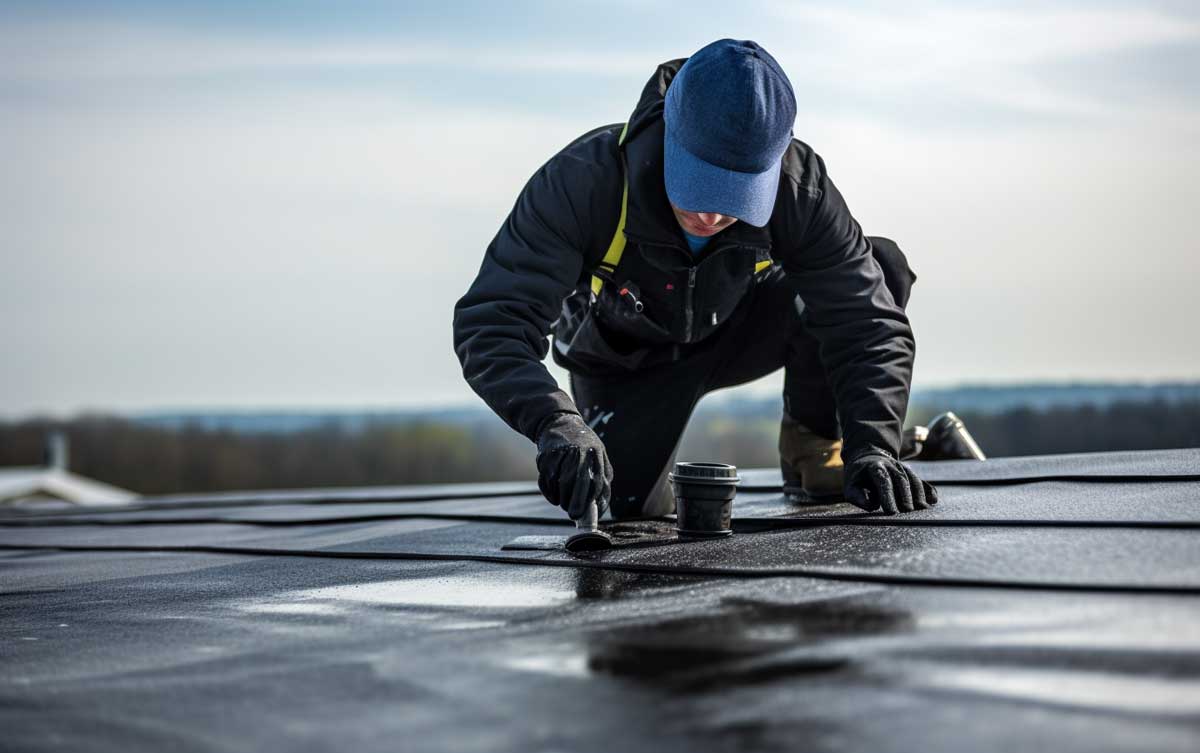
If you’re in the market for a new roof or considering repairs, you may have come across the term “bitumen roof.” But what exactly is it? Is it the right choice for your home? Bitumen, while an ancient substance with thousands of years of history in waterproofing and road construction, has evolved in its usage.
In recent years, it has gained immense popularity for its excellent performance and affordability. However, many homeowners may still be unfamiliar with this roofing material and its unique characteristics. In this article, let’s discuss what is bitumen roof and whether it’s the right option for your home. We will also explore its composition, benefits, and potential drawbacks. So, let’s get started!
What Is Bitumen Roof?
Bitumen, colloquially known as asphalt, is a dark, thick, and sticky substance composed predominantly of hydrocarbons. Sourced from crude oil, this material has taken a prominent place in the construction domain, particularly in the roofing sector. The essence of bitumen’s appeal in roofing lies in its intrinsic properties: it’s waterproof and robust, qualities that are indispensable for structures exposed to diverse weather conditions.
Types of Bitumen Roofs
Bitumen roofing has evolved over the years, giving rise to different systems and applications tailored to various needs. Its versatility stems from its adaptability, allowing it to cater to various architectural demands and climatic challenges.
Built-up Roofing (BUR)
BUR roofs, often considered the traditional bitumen roofing method, comprise multiple layers of bitumen-saturated felt or fiberglass matting. Each layer is meticulously overlapped and then fused, either through the application of heat or specific adhesives.
With their multi-layered structure, BUR roofs are particularly resilient, making them an excellent choice for commercial and industrial edifices that require longevity and resistance to wear and tear.
Modified Bitumen Roofing (MBR)
MBR systems are an evolved version of the traditional BUR roofs. They employ modified bitumen membranes, which are crafted to be more flexible than the conventional felt or fiberglass materials used in BUR. This enhancement in flexibility often translates to a more streamlined installation process.
Given their ease of installation and adaptability, MBR roofs are well-suited for a broader range of structures, encompassing both commercial and residential buildings.
Benefits of Bitumen Roofing
Bitumen roofing has gained a foothold in the construction world, and its rising popularity is not without reason. This material offers an array of benefits, catering to both the practical and aesthetic needs of homeowners and commercial builders alike.
Energy Efficiency
One of the standout advantages of bitumen roofing is its energy-efficient nature. By reflecting the sun’s harmful UV rays, these roofs play a vital role in maintaining the internal temperature of a building. In regions that experience scorching summers, this property means that there’s less reliance on air conditioning, leading to:
-
Decreased energy bills: Over time, these savings can accumulate, providing significant financial benefits.
-
Reduced carbon footprint: By reducing the dependency on artificial cooling systems, buildings with bitumen roofs contribute to a decrease in energy consumption, promoting environmental sustainability.
Durability and Longevity
Bitumen roofs are synonymous with resilience. Their inherent properties ensure that they can withstand:
-
Diverse weather conditions: From heavy rain to strong winds, bitumen roofs offer resistance against a wide array of environmental challenges.
-
Long lifespan: With proper care and occasional maintenance, these roofs can remain intact for two decades or more, offering peace of mind and reducing the need for frequent replacements.
Aesthetic Appeal
While bitumen’s primary role is functional, modern advancements have ensured it doesn’t lag in the aesthetics department:
-
Versatility in finishing: Bitumen roofing can be finished with a variety of surfaces, from a simple matte look to a more reflective one, catering to different aesthetic preferences.
-
Complements various architectures: Whether it’s a traditional or contemporary building design, bitumen roofing seamlessly integrates, enhancing the overall appeal.
Cost-effectiveness
In the long run, the economic benefits of bitumen roofing are hard to overlook:
-
Initial savings: Compared to alternatives like metal or tile roofing, bitumen often comes at a more affordable initial cost.
-
Reduced long-term expenses: Its durability means fewer replacements and repairs, leading to long-term savings.
Low Maintenance Requirements
Maintenance can be both time-consuming and costly, but bitumen roofing alleviates some of this burden:
-
Sturdy nature: Bitumen roofs are designed to resist the most common types of damage, such as minor cracks or leaks.
-
Ease of repair: In the rare event of damage, bitumen roofs are relatively easier and more cost-effective to mend compared to other materials.
Drawbacks of Bitumen Roofing Systems
While bitumen roofing offers a myriad of advantages, it is imperative for potential users to understand its limitations. By doing so, individuals can make informed decisions and employ strategies to mitigate these challenges.
Vulnerability to Extreme Temperatures
Bitumen, while versatile, is not immune to the whims of Mother Nature. Its composition is such that:
-
High Temperatures: In regions that experience intensely hot weather, bitumen tends to soften. This can lead to:
-
Sagging or warping: The softened material might not retain its original shape, potentially compromising the structural integrity of the roof.
-
Sticky surface: This can attract and retain dirt and debris, leading to a tarnished appearance over time.
-
Low Temperatures: On the flip side, extreme cold can render bitumen brittle. This results in:
-
Cracking: The contraction of the material in cold temperatures might cause cracks, which can become entry points for water.
-
Reduced flexibility: A brittle roof is less resilient to external pressures, making it more prone to damage.
Potential Foot Traffic Issues
Especially in commercial settings, roofs might occasionally need to bear the weight of maintenance crews or equipment:
-
Surface damage: The weight and movement can cause scratches or minor tears, especially if the bitumen has softened due to heat.
-
Shortened lifespan: Constant foot traffic can expedite wear and tear, reducing the roof’s overall lifespan.
Limited Color Options
For property owners with specific aesthetic preferences, bitumen might seem restrictive:
-
Darker shades dominate: Due to its natural color and composition, bitumen roofs are typically available in darker shades.
-
Customization challenges: Unlike some other roofing materials, bitumen doesn’t lend itself easily to a broad palette of colors.
Difficult Installation Process
While bitumen roofing systems are robust once installed, the installation process can be intricate:
-
Requires expertise: The process necessitates a specific skill set to ensure that layers are adhered correctly, seams are sealed, and there’s adequate drainage.
-
Risks: Improper installation can lead to a plethora of problems, such as water pooling, leaks, and reduced lifespan. This underscores the importance of hiring seasoned professionals for the job who abide by the OSHA safety guidelines.
Installation Process for Bitumen Roofs
The installation of bitumen roofs, while requiring precision and expertise, ensures a robust and durable covering when done correctly. Below is a more detailed walkthrough of the process:
Preparing the Substrate
-
Inspection: Before any work begins, the existing roof substrate is thoroughly inspected to identify any signs of damage, moisture, or irregularities.
-
Cleaning: It’s imperative to start with a clean surface. Any debris, dust, or old roofing materials are removed to ensure seamless adherence to the new roofing.
-
Repairing: If there are any signs of damage on the substrate, such as dips, cracks, or holes, they are repaired to provide a smooth surface for the bitumen sheets.
Laying the Base Sheets
-
Base Sheet Selection: Depending on the specific needs of the project and the type of bitumen roofing being installed, the appropriate base sheet (either felt or fiberglass) is chosen.
-
Application: The base sheets are rolled out, ensuring there are no air bubbles or wrinkles. These sheets are either mechanically fastened or adhered using an adhesive, depending on the system and substrate.
Applying Bitumen Layers
-
Layering: Multiple layers of bitumen sheets are applied, with each layer overlapping the previous one. This overlap ensures maximum protection against water infiltration.
-
Adhesion Methods:
-
Hot Asphalt: The bitumen sheets are embedded in hot asphalt, which, when cooled, creates a strong bond.
-
Cold Adhesive: A cold-process adhesive is applied between layers, ensuring they stick together without the need for heat.
-
Torch Application: This involves heating the underside of the bitumen sheets with a torch as they are unrolled, melting the bitumen, and ensuring it bonds with the layer beneath.
Installing Flashings
-
Purpose: Flashings are critical components of any roofing system. They ensure that intersections and terminations are waterproof.
-
Areas of Application: They are typically installed around the edges, vents, skylights, chimneys, and any other roof protrusions.
-
Material: Depending on the project, flashings can be made of metal, bitumen, or a combination of both, ensuring that they are seamlessly integrated with the rest of the roof.
Final Inspection and Testing
-
Inspection: Once all components are installed, a thorough inspection is carried out to ensure there are no gaps, improperly sealed seams, or other potential issues.
-
Water Testing: Some professionals might also conduct a water test, spraying the surface to check for any leaks or pooling.
Reflecting on Bitumen Roofing
In understanding “What is bitumen roof?”, it’s evident that this material offers an attractive combination of durability, aesthetics, and cost-effectiveness. However, like all materials, it has its limitations and requires careful consideration based on the specific needs of a project. Nonetheless, when installed correctly, bitumen roofing is a reliable choice for many structures.
Discover the ideal roof for your home or business by delving into the varied world of roofing materials. From durability to aesthetics, our comprehensive guide breaks down the pros and cons of each type. Upgrade your home’s crown today!