
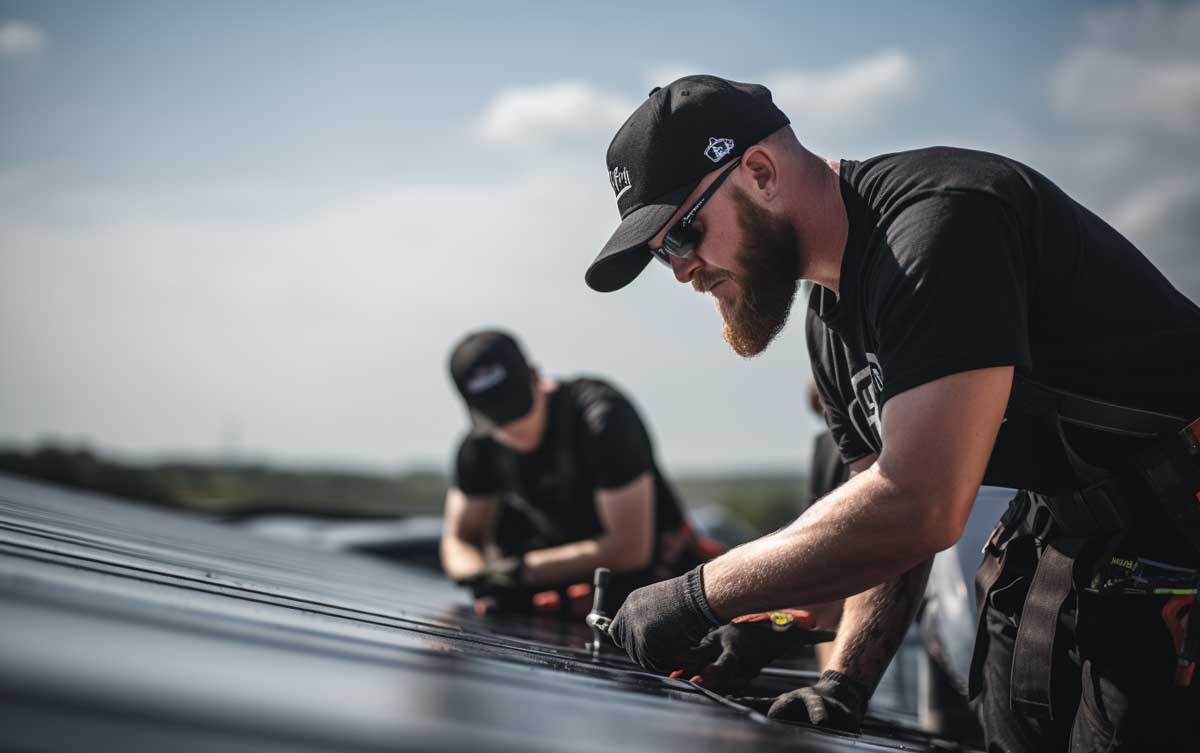
A Torch Down Roof System is a unique and durable roofing solution that has gained popularity in various parts of the world. Its name is derived from the method of application, which involves using a torch to melt the material, ensuring a secure and watertight seal.
This article delves deep into the intricacies of this roofing system, its benefits, and the different types available.
Definition Of A Torch Down Roof System
A Torch Down Roof System refers to a type of roofing made from modified bitumen sheets. These sheets are applied using a torch to heat the underside, causing the bitumen to melt and bond to the surface below. The result is a seamless, waterproof barrier that offers superior protection against the elements.
Benefits Of A Torch Down Roof System
Durability And Longevity: One of the primary advantages of a Torch Down Roof System is its durability. When installed correctly, it can last for up to 20 years or more, with minimal maintenance required.
Waterproofing Capabilities: The seamless nature of the Torch Down Roof ensures that there are no gaps or seams where water can seep through. This makes it an excellent choice for regions that experience heavy rainfall.
Fire Resistance: The materials used in a Torch Down Roof System are fire-resistant, offering an added layer of protection against potential fire hazards.
UV Protection: The reflective properties of the materials used can deflect harmful UV rays, thereby reducing the heat absorbed by the building and contributing to energy savings.
Types Of Torch Down Roof Systems
Torch-down roofing systems are a popular choice for flat or slightly sloped roofs and come in several different types.
Flat Or Low-Slope Roofs
Flat or low-slope roofs are the most common applications for Torch Down Roof Systems. The absence of slopes or angles makes it easier to apply the modified bitumen sheets, ensuring a tight seal. This type of roof is especially beneficial for commercial buildings with expansive roof areas.
Modified Bitumen Torch Down Roofing System
Modified Bitumen is a blend of traditional asphalt and plastic polymers. This combination results in a more flexible and weather-resistant roofing material. The Torch Down application method ensures that the Modified Bitumen adheres securely to the roof’s surface, providing a durable and long-lasting solution.
Commercial Roof Torch Down System
Commercial buildings often require robust roofing solutions due to their size and the need for added protection against the elements. The Torch Down Roof System for commercial applications is designed to offer maximum protection. It can withstand heavy foot traffic, making it ideal for buildings with rooftop equipment or frequent maintenance needs.
Materials Used For A Torch Down Roof System
A torch down roof system, also known as rubberized asphalt roofing, uses a variety of materials to create a waterproof and durable roof. These materials together make a torch down roof system resilient and efficient, capable of withstanding various weather conditions and requiring little maintenance.
Propane Torches And Rubberized Asphalt Additives
The name “torch down” is derived from the application method. A propane torch is used to heat the roofing material, specifically the modified bitumen sheets, allowing them to bond securely to the surface below. This process ensures a seamless and watertight seal. The bitumen is often mixed with rubber or plastic additives, enhancing its flexibility and adaptability to varying temperatures.
Base Sheet And Membranes
Torch down roofing comes in the form of rolled sheets. These sheets are unrolled individually during the installation process. Each sheet of torch-down roofing material consists of multiple membranes stacked and adhered together. The primary layers of torch down roofing material are:
- Thermo-Fusible Film: This is the base layer that aids in the adhesion of the subsequent layers.
- Modified Bitumen: This is the primary material, which is essentially an asphalt compound. It is used in various construction applications, including road construction and repair.
- Reinforced Polyester: This layer provides added strength and durability to the roofing system.
- Another Layer Of Modified Bitumen: This ensures a robust and durable roofing system.
- Granulated Mineral Surface (For Three-Layer Roofs): This layer provides added protection and gives the roof a finished look.
Different Types Of Asphalt Layers And Base Layers
The primary compound used in torch down roofing is modified bitumen. Bitumen is an asphalt compound, and when modified, it is mixed with either a plastic or rubber additive. There are two main types of modified bitumen membranes:
- Atactic Polypropylene (APP): APP is a type of plastic used to produce modified bitumen for torch down roofing. APP modified bitumen membranes are especially flexible and can withstand both high and low temperatures.
- Styrene Butadiene Styrene (SBS): SBS is a type of rubber used to create modified bitumen for torch down roofing. SBS modified bitumen membranes are also flexible and have a lower melting point than APP membranes. This means that SBS membranes can be used in various roofing applications, including torch-down, self-adhering, and cold-processed roofing systems.
Installation Process For A Torch Down Roof System
The installation process for a torch-down roof system involves several key steps
Preparing The Substrate Surface For Installation
Before the installation process begins, it’s crucial to prepare the substrate surface. This involves ensuring that the surface is free from any debris. Using tools like a leaf blower can be effective in clearing the roof area. If there was a previous roofing material, it needs to be removed to ensure a clean and stable base for the torch down roofing. The primary goal during this phase is to create a smooth, clean surface that is ready for the subsequent layers of the roofing system.
Installing The Base Sheets And Membranes
The first layer of the torch down roofing system is the base sheet. This sheet is attached to the prepared substrate, either using adhesive or through a heat fusing method. The base sheet acts as the foundational layer upon which the other layers will be applied.
Following the base sheet, the cap sheet is rolled out. As it’s being rolled, the underside of the cap sheet is heated using a torch. This process ensures that the base and the cap sheets fuse together, forming a watertight seal. If a three-layer torch-down system is chosen, a third granulated surface is installed following the same steps.
Sealing The Seams And Flashings For Watertight Protection
After the sheets are laid down, the next step is to seal the seams and apply flashing. Flashing is a crucial component as it prevents potential leaks, especially at the joints and edges of the roof. Properly sealed seams and well-placed flashings ensure that the roof remains watertight, offering maximum protection against water infiltration.
Maintenance Requirements After Installation
While the torch down roofing system is known for its durability and longevity, regular maintenance can further extend its lifespan. For a two-layer torch-down system, the expected lifespan is approximately 15 years. However, with a three-layer system, it can last up to 20 years. Proper maintenance involves regular inspections for any signs of wear or damage, ensuring that the seams and flashings remain intact, and addressing any issues promptly.
Frequently Asked Questions
To help you better understand what is a torch down roof system, we’ve answered some of the most frequently asked questions.
What is the primary advantage of a Torch Down Roof System?
The primary advantage of a Torch Down Roof System is its watertight seal, making it an excellent choice for areas prone to heavy rainfall or potential water damage.
How long does a Torch Down Roof System last?
A two-layer torch-down system typically lasts about 15 years, while a three-layer system can last up to 20 years with proper maintenance.
Can I install a Torch Down Roof System on my own?
While it’s possible for experienced DIY enthusiasts to install a Torch Down Roof System, it’s recommended to hire professionals due to the complexities and potential hazards involved in the installation process.
Is a Torch Down Roof System energy efficient?
Yes, the materials used in a Torch Down Roof System can reflect harmful UV rays, reducing the heat absorbed by the building and potentially leading to energy savings.
How does a Torch Down Roof System compare to other roofing types?
Torch Down Roof Systems are especially favored for flat or low-sloped roofs due to their watertight seal. They offer durability and longevity compared to some other roofing types, especially when maintained properly.
What maintenance is required for a Torch Down Roof System?
Regular inspections for signs of wear or damage, ensuring that the seams and flashings remain intact, and addressing any issues promptly are essential maintenance steps for a Torch Down Roof System.
Understanding The Torch Down Roof System
The Torch Down Roof System stands out as a premier choice for those seeking a durable, long-lasting roofing solution. Its unique installation process and material composition offer unparalleled protection against the elements. Whether you’re a property owner considering a new roofing system or simply curious about the intricacies of modern roofing solutions, understanding the Torch Down Roof System provides valuable insights into the world of advanced roofing technologies.
Discover more roofing solutions by exploring our guides and resources. Visit Roof Nation to learn more.