
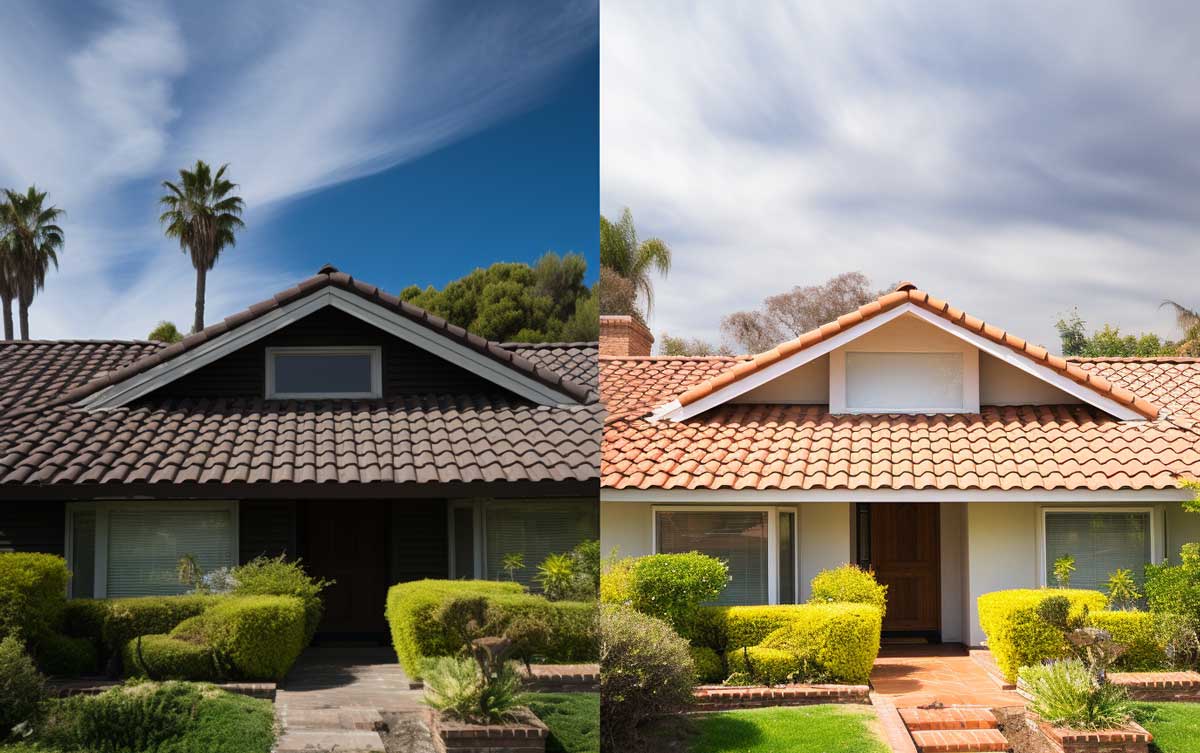
Roofing is an essential component of any structure. It shields us from the elements, ensures our safety, and adds aesthetic value to our homes. But like everything else, roofs have a lifespan. Knowing when and how often to replace your roof is crucial for maintaining the integrity of your home and ensuring your safety.
Discover the signs indicating when to replace your roof, understand different roofing materials, and learn essential maintenance tips. This comprehensive guide offers insights into maximizing your roof’s lifespan and ensuring your home’s safety.
When Should I Replace My Roof?
The need to replace a roof depends on several factors, including the type of roofing material, the age of the roof, and the environmental conditions in your area. For instance, a roof that’s constantly exposed to harsh weather conditions will likely need replacement sooner than one in a milder climate. Regular inspections are vital. If you notice any of the following signs, it might be time for a roof replacement:
- Curled Or Buckling Shingles: This indicates that the shingles are nearing the end of their lifespan.
- Missing Shingles: This compromises the roof’s ability to shed water.
- Granules In The Gutters: As shingles wear out, they shed their granules, which end up in the gutters.
- Daylight Through The Roof Boards: If you notice any light coming through the boards in your attic, it’s a sign of a weakened roof.
- Age: Most roofs last between 20 to 25 years. If yours is within this age range, consider an inspection.
Types Of Roofs
Different roofing materials have varying lifespans and characteristics. Here’s a breakdown:
Asphalt Shingles
The most common roofing material in the U.S., asphalt shingles typically last between 20 to 30 years. They’re popular due to their affordability and ease of installation. However, they can be susceptible to wind uplift and can deteriorate faster in extreme temperatures.
Metal Roofs
Metal roofs can last between 40 to 70 years, depending on the type of metal used. They’re resistant to extreme weather conditions, making them ideal for areas prone to severe storms. They’re also energy-efficient, reflecting sunlight and reducing cooling costs.
Wood Shingles
Wood shingles, typically made from cedar, can last about 30 to 40 years. They offer a natural and rustic appearance. However, they require regular maintenance to prevent moss, mold, and rot.
Slate Roofs
Slate roofs are incredibly durable, with a lifespan of up to 100 years. They’re fire-resistant and can withstand harsh weather conditions. However, they’re heavier than other roofing materials and require a robust support structure.
Wood Shake Roofs
Wood shakes are thicker than wood shingles and can last between 20 to 40 years. They provide excellent insulation and are resistant to strong winds and storms. However, like wood shingles, they require regular maintenance to prevent decay.
Clay Tiles
Clay tiles, often seen in Mediterranean-style homes, can last anywhere from 50 to 100 years. They are known for their durability and resistance to decay. Clay tiles are fireproof and can resist damage from intense sun exposure, making them ideal for hot climates. However, they can be more fragile against physical impact, so care should be taken in areas prone to hail or falling debris.
Wood Shakes
Wood shakes are hand-cut from wooden blocks, making them thicker and more rugged-looking than wood shingles. They can last between 20 to 40 years. Their rustic appearance enhances the aesthetic of homes, especially in natural settings. Like wood shingles, wood shakes require maintenance to prevent moss, mold, and rot. Their thickness provides excellent insulation, but they must be treated to be fire-resistant.
Asphalt Roofs
Asphalt roofs are made of either organic paper fiber mat or fiberglass, saturated with asphalt and coated with mineral granules. They are affordable and easy to install, making them a popular choice for homeowners. With proper maintenance, asphalt roofs can last up to 30 years. They are waterproof and fire-resistant, but they can become brittle in colder climates or fade in areas with intense sunlight.
Signs Of Damage To Look Out For
While regular aging is a common reason for roof replacement, damage can accelerate the need. Here are some signs of damage to be vigilant about:
Leaky Or Damaged Shingles
Damaged shingles can be a significant indicator of underlying roof problems. If shingles are cracked, torn, or missing, they can allow water to seep into the underlayment or even the decking of the roof. Over time, this can lead to more extensive damage, including rot and mold growth. It’s essential to address damaged shingles promptly to prevent more significant issues.
Wear And Tear On The Entire Roof
General wear and tear can manifest in various ways. For instance, if you notice that the shingles are losing their granules, becoming thin, or if the roof feels soft or spongy when walked on, these are signs of overall wear. Such wear and tear can compromise the roof’s integrity, making it more susceptible to leaks and other damages.
Significant Discolouration Or Stains
Discoloration or dark stains on the roof can be a sign of algae or mold growth. While these might not immediately damage the roof, they can shorten its lifespan over time. In colder climates, dark streaks can also be indicative of ice damming, where melted snow refreezes at the roof’s edge, preventing proper drainage. This can lead to water backing up under the shingles, causing leaks and water damage.
Frequently Asked Questions
How often should I replace my roof? To provide a better understanding of this, we have answered some of the most commonly asked questions.
How often should I inspect my roof?
Regular inspections are the key to a long-lasting roof. Ideally, you should inspect your roof at least twice a year, especially during the spring and fall when weather changes can highlight vulnerabilities. Additionally, after significant weather events like hailstorms or strong winds, a thorough check can pinpoint any immediate damages or areas of concern.
Can I repair my roof instead of replacing it?
While minor damages, such as a few missing shingles or small leaks, can often be addressed with repairs, it’s essential to assess the overall condition of the roof. If the damage is widespread or the roof is approaching its expected end of life, a full replacement might be more economical and safer in the long term.
How long does it take to replace a roof?
The time frame for a roof replacement depends on several factors, including the roof’s size, the chosen material, and weather conditions. On average, homeowners can expect a roof replacement to take anywhere from a few days to a week. However, complex projects or unforeseen challenges might extend this timeline.
Is it okay to install a new roof over the old one?
While layering a new roof over an old one is feasible and might seem cost-effective, it’s not always the best choice. This method can mask underlying structural issues, add extra weight to the home’s frame, and reduce the new roof’s lifespan. It’s often better to remove the old roof, inspect for damages, and then proceed with a fresh installation.
How can I extend the lifespan of my roof?
Proactive maintenance is the cornerstone of a durable roof. This includes routinely cleaning gutters, removing debris like fallen leaves or branches from the roof surface, and addressing minor damages or issues promptly. Additionally, ensuring proper attic ventilation and insulation can prevent many common roofing problems.
Does homeowners insurance cover roof replacement?
Homeowners insurance typically covers roof damages that result from unforeseen incidents, such as fires or natural disasters. However, damages from wear and tear or neglect might not be included. Always review your policy’s specifics and, if in doubt, consult with your insurance provider to understand the coverage nuances.
Conclusion
Your roof is more than just a structural component; it’s a shield that protects your home and everything within it. By understanding its needs and addressing concerns promptly, you ensure its longevity and functionality. This guide aims to empower homeowners with the knowledge to make informed decisions, ensuring their roofs remain in peak condition, safeguarding their homes for years to come.
Discover more plumbing tips by exploring our guides and resources. Visit Roof Nation to learn more.