
Sustainable roofing materials have become critical for businesses and homeowners in construction and architecture. This article delves into the concept of sustainable roofing, its importance, and the various types of eco-friendly roofing materials available in the market.
We will also explore how to evaluate the sustainability of these materials based on factors such as longevity, durability, recyclability, waste reduction, energy efficiency, and overall environmental impact.
Whether you’re a business in the construction industry, a homeowner planning a renovation, or simply someone interested in sustainable practices, this comprehensive guide will provide valuable insights into making environmentally responsible choices for roofing.
Sustainability in Roofing Materials: An Overview
In the modern world, sustainability has emerged as a critical factor in every field, including the roofing industry. This article sheds light on sustainable roofing materials, exploring their essence, significance, and available variety. Here, we’ll explore diverse, sustainable roofing options such as metal, clay, slate tiles, wooden shingles, and solar panels.
Meaning and Importance of Sustainable Roofing Materials
At the heart of sustainable roofing materials lies the principle of environmental preservation. These materials are designed to minimize waste, enhance energy efficiency, and reduce the ecological footprint of your residential or commercial property. The goal is to create a roof that not only shields your building from the elements but does so in an environmentally friendly manner.
Sustainable roofing materials are pivotal in the ‘green’ building movement, responsible homeownership, and the global effort to combat climate change. Given the large surface area of a roof, it significantly influences a building’s total energy consumption. Therefore, sustainable roofing materials can substantially decrease energy usage for heating and cooling, resulting in notable savings on utility bills.
In addition, sustainable roofing materials often outlast traditional ones, reducing the frequency of replacements and the associated waste. Opting for sustainable roofing materials is not only an eco-conscious choice but can also be financially advantageous due to their durability and energy-saving characteristics.
In today’s construction landscape, the selection of roofing material extends beyond aesthetics and functionality. It’s a decision that can contribute significantly to sustainability, underlining the importance of sustainable roofing materials.
Different Types of Sustainable Roofing Materials
The construction industry is witnessing a surge in adopting sustainable practices, and roofing is no exception. Many eco-friendly roofing materials have emerged, offering the essential protection a roof should provide and contributing to environmental preservation and energy efficiency. Let’s delve deeper into these materials in the subsequent subsections.
Metal Roofing
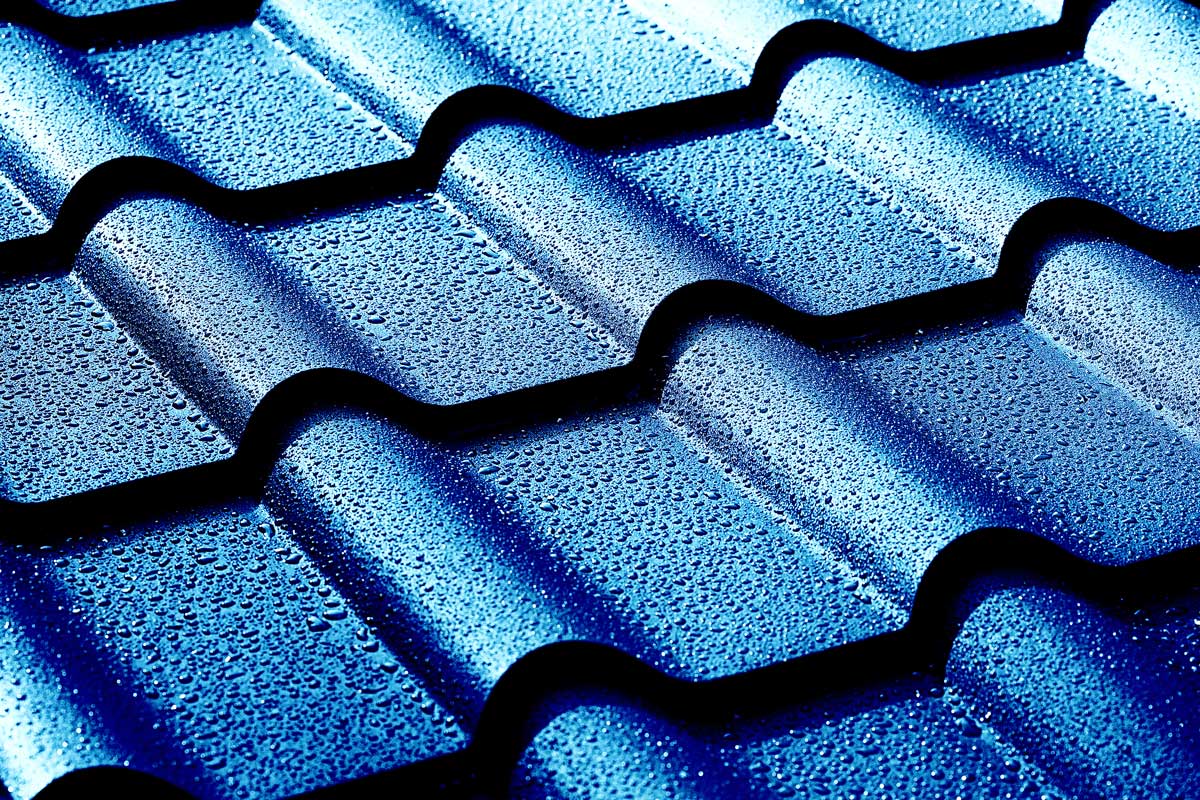
Metal roofing is a leading sustainable choice due to its durability, with lifespans of up to 60 years, reducing replacements and waste. It’s lightweight, offers solar heat deflection for energy efficiency, and boasts high recyclability. Though initially costly, long-term benefits like energy savings make it a worthy investment.
Clay, Slate Tiles, and Wooden Shingles
-
Clay Tiles: Sustainable for their longevity (50-60 years), thermal performance, and recyclability. They leave a minimal carbon footprint in manufacturing.
-
Slate Tiles: A natural, robust choice, slate roofs can last over a century, providing insulation and reducing energy needs without harming the environment.
-
Wooden Shingles: Sustainable when responsibly sourced, these offer natural insulation, contributing to energy savings. Ensure sustainable harvesting, and note they can be recycled into mulch or compost.
Solar Panels as a Roofing Material
Solar panels, or photovoltaic (PV) systems, are a protective roof and power source. They decrease reliance on fossil fuels, shrinking carbon footprints and offering energy savings. Though they come with initial costs, long-term electricity generation offsets the expense.
Modern designs merge with existing roofs, but location and roof specifics must be considered to ensure efficiency. They symbolize a step towards sustainability by optimizing energy and reducing emissions.
Evaluating the Sustainability of Roofing Materials
The selection of roofing materials is a task that demands careful consideration, especially when sustainability is a priority. To gauge the sustainability quotient of a roofing material, one must delve into many factors.
These encompass the material’s lifespan, influence on energy consumption, potential for recycling, and overall impact on environmental preservation. A comprehensive exploration of these elements empowers homeowners and contractors to make choices that resonate with their sustainability objectives. The forthcoming sections will delve deeper into these crucial aspects.
Assessing Longevity and Durability
Within sustainable roofing, longevity, and durability are pivotal determinants of a material’s sustainability index. Longevity pertains to the expected lifespan of the roofing material before a replacement becomes necessary. Durability, conversely, gauges the material’s resilience against various elements such as wind, rain, snow, heat, cold, and potential impact damage.
A roofing material that scores high on sustainability should exhibit robust durability and longevity. Materials with extended lifespans necessitate less frequent roof replacements, curtailing resource consumption. For example, roofing materials like slate tiles and metal, known for their impressive life expectancies, contribute to minimizing environmental impact.
Durability holds equal significance. A material that can withstand harsh weather conditions will require less frequent repairs or replacements, reducing waste and resource usage. This also translates into lower maintenance and replacement costs for homeowners or building managers.
However, it’s important to remember that the same material may exhibit different levels of longevity and durability depending on the geographical location and environmental conditions. Hence, local factors should be factored in when evaluating these aspects.
Considerations for Recyclability and Waste Reduction
When assessing the sustainability of roofing materials, it’s essential to factor in their recyclability and the potential for reducing waste. This consideration extends beyond the material’s active lifespan, considering what happens when it ends.
Materials recycled into new roofing products or repurposed for other uses at the end of their lifecycle are considered sustainable. For example, metal roofing materials can often be transformed into new metal products, reducing the need for new, virgin resources. Similarly, wooden shingles can be composted or turned into mulch, contributing to a circular economy.
The importance of recyclability lies in its potential for waste reduction. Non-recyclable roofing materials in landfills contribute to waste generation and associated environmental harm. Opting for recyclable materials lessens the demand for new resources, conserves natural resources, and mitigates environmental degradation.
The sustainability of a material also hinges on the waste generated during installation and replacement. Sustainable products typically produce less waste during installation, or the waste can be easily repurposed or recycled.
Understanding Energy Efficiency in Roofing Materials
Energy efficiency plays a crucial role in determining the sustainability of roofing materials. The energy efficiency of a roof can significantly impact a building’s heating and cooling requirements, influencing its overall energy consumption.
Ideally, sustainable roofing materials should exhibit high thermal resistance or R-value, effectively preventing heat transfer between the interior of a building and the outside environment. This attribute helps maintain a stable indoor temperature, reducing reliance on artificial heating and cooling systems. For example, slate and clay tiles are known for their superior thermal performance, helping maintain a consistent indoor temperature.
Reflectivity is another key factor in energy efficiency. Materials with high reflectivity can keep a building cool by bouncing back the sun’s rays instead of absorbing them. For instance, metal roofs with a reflective coating can lower cooling costs in hot climates by reflecting sunlight away from the building.
Moreover, incorporating renewable energy technologies like solar panels into roofing enhances energy efficiency. This approach generates electricity from a renewable source, reducing dependence on fossil fuels.
By opting for a roofing material that optimizes energy efficiency, building owners can significantly reduce their energy consumption and costs, reduce greenhouse gas emissions, and take a step towards a more sustainable future.
Analyzing the Environmental Impact of Roofing Materials
In the quest for sustainability, understanding the environmental footprint of roofing materials throughout their lifecycle is paramount. This involves examining the journey of these materials, from their initial extraction and production to their eventual disposal or recycling.
Let’s delve into the concept of embodied energy. This refers to the total energy consumed during the material’s extraction, processing, and transportation. For instance, slate or clay tiles require a significant amount of energy to produce, resulting in high embodied energy. However, their extended lifespan often compensates for this initial environmental expense.
The toxicity of the material is another aspect that warrants attention. Certain roofing materials, particularly some synthetic varieties, may emit harmful chemicals during their production, installation, or disposal. Therefore, it is advisable to opt for materials that significantly reduce or eliminate the release of these detrimental substances.
The origin of the material also plays a crucial role in its sustainability. The ideal scenario is to source materials from renewable or plentiful sources. Take metal roofing as an example. It can be crafted from recycled content, diminishing the demand for new virgin material.
Lastly, the impact of disposal should not be overlooked. As touched upon earlier, materials that can be recycled help to reduce landfill waste and the associated environmental damage.
Conclusion
A comprehensive analysis that encompasses the entire lifecycle of the roofing material can provide a true picture of its environmental impact. This, in turn, allows for a more informed and sustainable decision when choosing roofing materials.
Learn more about the cost of repairing a slate roof from our blogs at Roof Nation for your next big residential project.