
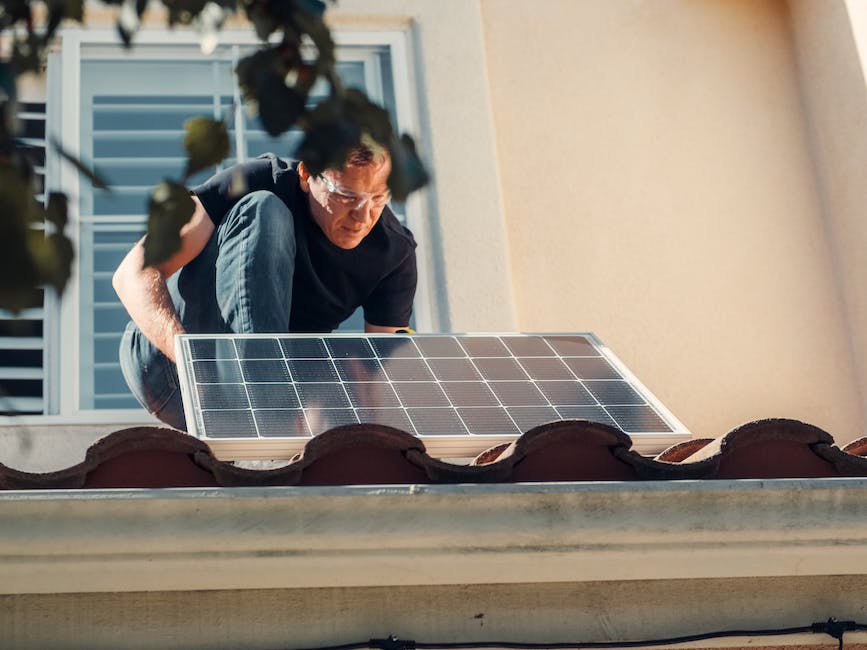
As a homeowner, preparing for a roof installation is a significant undertaking that requires careful planning and consideration. This process involves understanding different roofing options, selecting a reliable contractor, and making necessary preparations inside and outside your home. This article aims to guide you through each step, ensuring a smooth and successful roof installation.
Understanding Roofing Options
When selecting the perfect roof for your home, a solid understanding of the different roofing options is crucial. Your choice will be influenced by various factors, including durability, aesthetics, cost, energy efficiency, and even the climate of your location. In this section, we delve into some of the most prevalent types of roofing systems, providing you with the knowledge necessary to make an informed decision.
Asphalt Shingles
A top choice among homeowners, asphalt shingles blend affordability, durability, and design versatility. They typically last 15 to 30 years, with both three-tab and architectural options available. While three-tab shingles are cost-effective and flat, architectural shingles provide a dimensional look and a longer warranty, albeit at a higher price.
Asphalt shingles cater to diverse aesthetics, offer noise protection, and are easy to install. Their downside: vulnerability to wind and cold, and their petroleum-based manufacturing. However, they can be recycled, reducing environmental impact.
Metal Roofing
Metal roofs, made from steel, aluminum, or other metals, stand out for their durability and energy efficiency. With a lifespan up to 50 years or more, they surpass asphalt shingles in longevity. They’re weather-resistant, fire-resistant, and reflect sunlight to cut cooling costs.
Advanced cool-metal systems provide enhanced energy savings. Though their installation is intricate and might cost more initially, their long-term benefits, combined with a modern aesthetic, make metal roofs a wise investment for many homeowners.
Tile and Slate Roofing
For those seeking luxury and longevity, tile and slate roofing are premier choices. Slate, a natural stone, can last a century, offering resistance to rot, insects, and fire. Tile roofs, usually made from clay or concrete, resonate with Mediterranean or Spanish-style homes and can endure for over 50 years.
Both options present robust weather and fire resistance and are environmentally friendly. The primary considerations are their weight, which might necessitate structural reinforcement, and their higher initial cost. However, their durability, beauty, and low maintenance make them standout investments for discerning homeowners.
Selecting a Reliable Roofing Contractor
A new roof is a significant investment, and its installation demands the expertise of a seasoned professional. Your roof is a crucial part of your home’s structure, and its proper installation is paramount to your home’s safety and longevity. This section will guide you through identifying potential contractors and evaluating their reliability to ensure you choose the right professional for your roofing project.
Identifying Potential Contractors
The journey to finding the right roofing contractor begins with identifying potential candidates. A simple online search for local roofing contractors or seeking recommendations from acquaintances who have recently undergone a roof installation can be a good starting point. Take advantage of suggestions from local hardware stores, building suppliers, or roofing material manufacturers to broaden your pool of options.
Once you have a list of potential contractors, delve into their websites to gain insights into their services, areas of expertise, and overall business ethos. Pay particular attention to customer reviews and ratings, as these can provide a realistic picture of what to expect.
Remember to align your specific roofing needs with the contractors’ specializations as you sift through your options. Whether you’re considering asphalt shingles, metal roofing, or slate and tile roofing, finding a contractor specializing in your chosen material can lead to superior installation outcomes.
Lastly, consider whether the contractors are affiliated with national roofing associations or local contracting bodies. Such memberships often indicate a contractor’s commitment to staying abreast of the latest industry techniques, safety protocols, and ethical business practices.
Evaluating Roofing Contractors
When choosing roofing contractors, gather at least three estimates to compare costs and services. Ensure they have:
-
Legitimate Business Operations: Verify their physical location, contact details, and local business license.
-
Insurance: They should hold liability insurance (protecting from property damage) and worker’s compensation (covering onsite injuries).
-
References: Check with past clients about the contractor’s reliability, quality, and timeline adherence.
-
Roofing System Experience: They must have expertise in your chosen roofing material, be it asphalt, metal, tile, or slate.
-
Written Estimate & Contract: A clear document outlining costs, project scope, duration, cleanup, and warranty is crucial for transparency and protection.
Indoor and Outdoor Preparations for Roof Installation
Roof installations require careful preparation to ensure seamless execution. This preparation encompasses indoor and outdoor activities designed to minimize disruption and safeguard your home during the project. In the following sections, we’ll walk you through the necessary steps to prepare your home’s interior and exterior for the impending roof installation.
Indoor Preparations
Installing a new roof can cause vibrations that resonate through your home’s walls. These vibrations can disturb and damage hanging decorations, artwork, mirrors, or light fixtures. To prevent any mishaps, it’s recommended to secure these items or temporarily remove them.
Roof installation projects can also generate dust and small debris, easily infiltrating your attic. If your attic is a storage space, consider covering your belongings with a protective sheet or tarp to shield them from potential damage.
The noise generated during roof installation can be quite significant. It’s essential to prepare your household members, particularly children and pets, for this. You may want to plan outdoor activities during the peak roofing hours or designate a quiet room where the noise will be less disruptive.
It’s a good practice to inform your neighbors about the upcoming roofing project and its expected duration. This will allow them to prepare for noise disturbances and show consideration and respect for their comfort.
Outdoor Preparations
Preparing the exterior of your home for a roof installation involves several steps. Start by clearing a space in your driveway or yard to deliver roofing materials, place a dumpster for discarded materials, and park the contractor’s vehicles. You might want to relocate your vehicles to a safer location to avoid accidental damage from falling debris.
Your landscaping, including plants and outdoor decorations near your home, should be protected. Covering them with tarps or erecting temporary plywood structures can protect against falling roofing debris.
Cleaning your gutters and the exterior of your home before the project can facilitate a smoother workflow and reduce the risk of exacerbating any pre-existing conditions due to roofing activities.
Ensure that the contractors have easy access to outdoor power outlets for their tools. If your home has outdoor lighting or a sprinkler system, inform the roofers to prevent accidental damage.
Clear the area of movable items such as patio furniture, grills, and portable outdoor structures like sheds. This will create a safer and more efficient workspace for the contractors.
Finally, if you have satellite dishes or antennas installed on your roof, you’ll need to address this. It’s advisable to consult with your service providers about the best approach, as professional removal and reinstallation may be necessary.
Overview of the Roof Installation Process
Understanding the roof installation process is essential for homeowners. Familiarity ensures smooth execution and sets clear expectations.
Old Roof Removal
Installing a new roof starts with the old one’s removal. Shingles, flashing, and underlayment are removed, unveiling the roof deck. Waste is disposed of in a contractor-provided dumpster, so make space for it.
A thorough check of the roof deck follows, replacing any damaged wood. Although some codes allow new shingles over old ones, it’s often discouraged due to potential hidden damage. This phase can be noisy, so consider staying elsewhere if you’re noise-sensitive.
New Roof Installation
Upon ensuring a sturdy deck, the underlayment is laid as a protective layer. Your shingles- asphalt, tile, metal, or slate – are methodically fixed from the base upwards for optimal water repulsion. Critical components like drip edges and flashing are installed to manage water and prevent leaks.
Adequate roof ventilation, essential for roof longevity and interior comfort, is incorporated. The installation’s duration varies based on house size, roof type, weather, and workforce, usually lasting several days for typical homes.
Post-Installation Cleanup and Inspection
Once installed, a rigorous cleanup ensues. The contractor manages debris removal, using magnetic tools to collect stray nails. The filled dumpster is removed promptly.
An exhaustive roof inspection follows, verifying proper shingle placement, ventilation, and watertight seals around roof protrusions like vents and chimneys. Your contractor will detail the warranty, elucidating coverage scope, and maintenance prerequisites. This final step ensures your premises remain clean and your roof aligns with industry quality standards.
Conclusion
Preparing for a roof installation demands meticulous planning and informed decision-making. Homeowners, armed with knowledge of roofing types and the installation process, can navigate this substantial home improvement with confidence, ensuring longevity, aesthetics, and value for their investment. Always prioritize quality and expertise for a durable, efficient, and appealing roofing solution.
Looking for residential roofing services, you can get a hold of last minute? Check out our resources from our blogs at Roof Nation.