
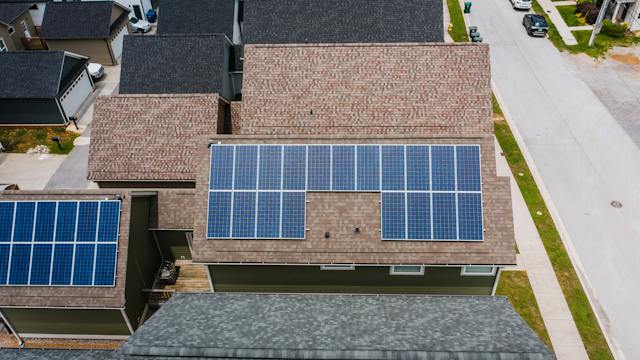
Discover how eco-friendly roofs help reduce carbon footprints, enhance energy efficiency, and foster a healthier ecosystem. This guide offers insights into material selection, proper installation, insulation, ventilation, and maintenance, serving as a valuable resource for building owners and professionals committed to sustainability and practicality.
Eco-Friendly Roofing Materials and Climate
Selecting eco-friendly roofing materials that align with your local climate is crucial for optimal performance and durability. Matching materials with meteorological conditions helps maximize sustainability and resilience. Consider these climate-based material choices:
-
Scorching Sun and Heat: Opt for cool roofs in sunny, hot areas. Light-colored metal roofs, reflective tiles, and vegetative roofs reduce heat absorption, lowering cooling costs.
-
Bitter Cold and Snow: Choose roofing with insulation and snow-bearing capacity for cold, snowy regions. Vegetative roofs provide excellent insulation, while recycled metals and slate release snow easily.
-
Constant Rain: Moisture-resistant materials are essential in rainy regions. Ensure proper drainage for vegetative roofs. Metal roofs resist mold, mildew, and water damage.
-
Coastal Challenges: Coastal homes need materials that resist salt spray and strong winds. Metal roofs and recycled rubber/plastic shingles excel in these environments.
-
Fire-Prone Areas: Non-combustible materials like metal roofs, slate, and tiles protect against wildfires.
-
Variable Weather: Opt for materials that expand and contract without damage in climates with temperature shifts. Metal roofing and slate endure diverse temperatures.
Choose roofing materials that not only suit your climate but also reduce energy consumption and promote environmental responsibility. Consider local building codes and energy efficiency standards when making your selection.
Installation Strategies for Eco-Friendly Roofs
The installation of eco-friendly roofs demands a tailored approach, ensuring that each material’s unique properties are optimized for long-term performance. Here are key strategies to consider:
-
Evaluating Roof Structure: Prior to installation, it’s crucial to examine the existing roof’s structure for strength and stability. Heavier options like vegetative roofs might necessitate structural reinforcement to handle the additional weight, particularly when waterlogged.
-
Considering Roof Slope: The roof’s incline plays a significant role in material selection. Some materials are better suited for flat or gently sloping roofs, while others perform best on steeper gradients that facilitate water runoff.
-
Underlayment Importance: A critical component of an eco-friendly roof is the underlayment, which acts as a secondary barrier against water intrusion. The chosen underlayment should be compatible with the roofing material and contribute to the roof’s energy efficiency.
-
Material-Specific Techniques:
-
Vegetative roofs require a sequence of layers, including a waterproof membrane, root barrier, drainage system, and soil substrate, before planting can begin.
-
Solar roof tiles necessitate the incorporation of electrical systems and alignment for optimal solar capture.
-
Metal roofs call for precise measurements and cuts to ensure a snug fit, minimizing waste and guaranteeing that the interlocking panels are securely sealed.
-
Sealing for Sustainability: Regardless of the chosen material, sealing seams and joints is imperative to prevent leaks. Opt for eco-friendly sealants to maintain the environmental integrity of the roofing system.
-
Ventilation Integration: Adequate ventilation is essential across all roofing materials to enhance energy efficiency, prevent moisture accumulation, and regulate temperature.
-
Solar Integration: If incorporating solar panels or tiles, plan for the installation of inverters, battery storage, and a well-thought-out conduit route for electrical connections.
-
Using the Right Tools: Employing the correct tools and fasteners specific to the roofing material is vital for a long-lasting roof. Opt for corrosion-resistant fasteners that are suitable for the materials they are joining.
-
Expert Installation: Hiring professionals with expertise in eco-friendly roofing ensures that the installation is conducted with precision, respecting the unique characteristics of each material.
Adhering to these strategies and closely following the manufacturer’s guidelines will pave the way for a successful eco-friendly roof installation. It’s also crucial to comply with local building codes and obtain the necessary permits to ensure both safety and compliance.
Preparation and Suitability Assessment
Before installing an eco-friendly roof, meticulous preparation is crucial. This process includes:
-
Structural Evaluation: Assess if the existing structure can support the new roof, especially for heavier options like green roofs.
-
Site Analysis: Study local weather, solar patterns, and wind directions to inform material selection for environmental compatibility.
-
Energy Consumption Analysis: Evaluate current energy use to establish a baseline for improved energy efficiency.
-
Roofing Area Measurement: Measure the roof accurately to order the right amount of materials, minimizing waste.
-
Local Code Compliance: Ensure compliance with regional building codes and regulations that affect material choice and installation.
-
Insulation and Ventilation Check: Examine existing insulation and ventilation for potential upgrades to enhance thermal performance.
-
Waste Management Plan: Develop a strategy for recycling and minimizing waste during the project.
-
Permits and Documentation: Secure necessary permits and maintain documentation for compliance and inspections.
-
Timeline and Weather Forecasts: Schedule installation considering weather conditions, as eco-friendly materials may be sensitive during setup.
-
Contractor Selection: Choose an experienced eco-friendly roofing contractor to guide the assessment and installation.
Comprehensive preparation ensures a smooth installation and a durable, eco-conscious roof investment.
Installation Steps for Each Material Type
The installation of eco-friendly roofs varies depending on the material. Here are key steps for common eco-friendly roofing materials:
Green Roofs:
-
Apply a waterproof membrane to protect the roof structure.
-
Add a root barrier to prevent root intrusion.
-
Install a drainage layer for water management.
-
Spread a fertile growth medium.
-
Plant climate-appropriate, low-maintenance vegetation.
Solar Roof Tiles:
-
Prepare the roof deck.
-
Install a durable underlayment.
-
Position and secure solar tiles.
-
Wire electrical components and set up the inverter.
-
Integrate the solar system with the home’s grid.
Metal Roofs:
-
Remove old roofing and inspect the sheathing.
-
Apply specialized underlayment.
-
Install metal panels with tight interlocks.
-
Use flashing around critical areas and add gutters if needed.
-
Seal seams and joints for weatherproofing.
Recycled Material Roofs (Rubber, Plastic):
-
Clean and prepare the roof deck.
-
Follow insulation and underlayment guidelines.
-
Arrange recycled shingles or tiles with proper overlap.
-
Use eco-friendly adhesives or fasteners.
-
Complete with compatible flashing and edging materials.
Precision and adherence to manufacturer guidelines are essential for a successful eco-friendly roof installation, ensuring long-lasting performance and integrity.
Ventilation and Insulation for Eco-Friendly Roofs
Optimizing Eco-Friendly Roof Insulation and Ventilation
Creating an eco-friendly roof involves a delicate balance of insulation for energy retention and ventilation for moisture and temperature regulation. Achieving this equilibrium prolongs the roof’s lifespan and enhances overall energy conservation.
Insulation Strategies:
-
Choose eco-conscious materials like cellulose, sheep’s wool, or cork with low embodied energy.
-
Select insulation with appropriate thickness and R-value matching your climate.
-
Position insulation above the ceiling or directly beneath the roofing material to suit the architectural design.
-
Evaluate the need for vapor barriers in regions with temperature fluctuations.
Consider customized solutions for non-standard roof configurations.
Maximizing Energy Efficiency with Proper Insulation
-
Elevating energy efficiency is paramount for an eco-friendly roof, and proper insulation is the cornerstone of this endeavor.
-
Choose insulation with superior thermal resistance, prioritizing recycled or sustainably sourced materials.
-
Optimize the R-value based on local climate and building codes.
-
Install insulation seamlessly to prevent thermal bridging.
-
Address potential air leaks before insulation installation.
-
Incorporate vapor retarders in condensation-prone climates.
-
Enhance existing insulation during renovations.
Conduct regular inspections and maintenance to preserve insulation effectiveness.
Ensuring Adequate Ventilation
-
Well-ventilated eco-friendly roofs are crucial for indoor air quality, humidity management, and energy efficiency.
-
Pair intake soffit vents with exhaust mechanisms for consistent air exchange.
-
Select specialized roof vents to enhance circulation and prevent intrusion.
-
Position vents strategically based on prevailing winds and roof configuration.
-
Address the unique needs of green roofs and cool roofs.
-
Comply with local building codes for ventilation ratios.
-
Perform routine vent maintenance to preserve airflow.
Enlist professionals for complex layouts or consider advanced ventilation technologies.
-
Prioritizing proper insulation and ventilation safeguards the roof’s integrity while enhancing sustainability by reducing artificial heating and cooling needs.
Maintenance Practices for Sustainable Roofs
The longevity and environmental advantages of an eco-friendly roof hinge on diligent maintenance. Here’s how to preserve the integrity of various sustainable roofing systems:
-
Eco-Friendly Roof Maintenance Guidelines: Maintaining eco-friendly roofs ensures their longevity and continued sustainability. Here are essential maintenance practices for different roofing types:
-
Green Roofs: Regularly weed, prune, and replant vegetation. Check and adjust the irrigation system. Keep drainage layers clear.
-
Solar Panels: Clean panels to prevent efficiency loss. Monitor energy production and trim nearby foliage.
-
Metal Roofs: Inspect for wear, corrosion, or structural damage. Maintain clean gutters and seal seams.
-
Recycled Material Roofs: Monitor for deterioration, clear debris, and trim branches. Assess adhesive seams for rubber roofs.
-
General Best Practices: Inspect roofs after weather events and biannually. Seek professional help for complex maintenance or repairs. Establish a tailored maintenance routine.
Adhering to these guidelines will help ensure that your sustainable roof continues to perform its environmental role effectively over its designed lifespan.
Green Roof Maintenance
Regularly weed, prune, and replace plants on your green roof. Adjust watering seasonally and maintain the irrigation system. Annually check soil nutrients, use organic fertilizers, and manage erosion.
Keep drainage clear, inspect structural elements like the waterproof membrane, and monitor weight after rain. Use eco-friendly solutions for pest control, mulch for winter, and perform spring inspections, ensuring safety and seeking professional help when needed.
Upkeep for Solar, Metal, and Recycled Roofs
Maintain solar panels by cleaning and removing debris, inspect metal roofs biannually for corrosion, and ensure good drainage for recycled roofs. Prioritize safety, tree trimming, and thorough maintenance documentation.
Handling Repairs and Replacements Sustainably
Use local, recycled materials for eco-friendly roof maintenance, focusing on repurposing and recycling during removals. Opt for materials with low embodied energy to enhance energy efficiency.
Sustainable Repair Methods
Prefer repairing over replacing to minimize waste, using durable, low-impact materials. Apply reflective coatings and improve insulation for energy efficiency, and choose low-VOC products for better air quality.
Eco-Friendly Roof Replacement
Select recycled, recyclable materials like metal or slate, and integrate energy-efficient features such as cool roofs or solar panels. Assess material lifecycles, minimize waste, and work with certified sustainable contractors for responsible disposal and future adaptability.
Evaluating the Cost and Benefits of Eco-Friendly Roofing
Assessing the value of eco-friendly roofing requires a balance between financial outlay and the long-term advantages it brings. Here’s how to navigate this assessment:
-
Initial Investment Analysis: Gauge the upfront costs, which may be higher due to specialized materials and labor. Explore financial incentives that could ease this burden.
-
Projected Energy Savings: Estimate the energy cost reductions over the roof’s lifespan, thanks to enhanced insulation, reflectivity, and ventilation.
-
Maintenance and Longevity: Consider the reduced maintenance expenses and extended durability of eco-friendly materials, which can compensate for the initial investment over time.
-
Enhanced Property Value: Factor in the potential uptick in property value driven by the roof’s energy-efficient features and desirability among eco-conscious buyers.
-
Environmental Benefits: Acknowledge the less tangible yet significant environmental benefits, such as a reduced carbon footprint, which align with broader sustainability commitments.
-
Risk Reduction: Evaluate potential cost savings from increased resilience to extreme weather and other risks associated with eco-friendly roofing materials.
-
Waste Management Savings: Account for the financial and environmental savings from diminished waste and the potential income from recycling roofing materials.
-
Insurance and Warranty Benefits: Investigate potential reductions in insurance premiums and the value of extended warranties for eco-friendly roofing systems.
-
ROI Calculation: Determine the return on investment by juxtaposing the total anticipated benefits against the initial costs, considering both direct financial returns and the intrinsic value of environmental stewardship.
This comprehensive evaluation will illuminate the true cost-effectiveness and advantages of adopting eco-friendly roofing, empowering property owners to make decisions that are both financially prudent and environmentally sound.
Conclusion
The installation and maintenance of eco-friendly roofs are essential for sustainable building practices. These roofing systems offer numerous environmental and economic benefits, from energy savings to improved air quality.
Regular maintenance is crucial to ensure their long-term effectiveness. By prioritizing eco-friendly roofing solutions and investing in proper upkeep, property owners contribute to a greener future while enjoying cost-efficient and environmentally responsible building operations.
Understanding warranties are essential for a more seamless roofing project. Read more from our blogs at Roof Nation today.