
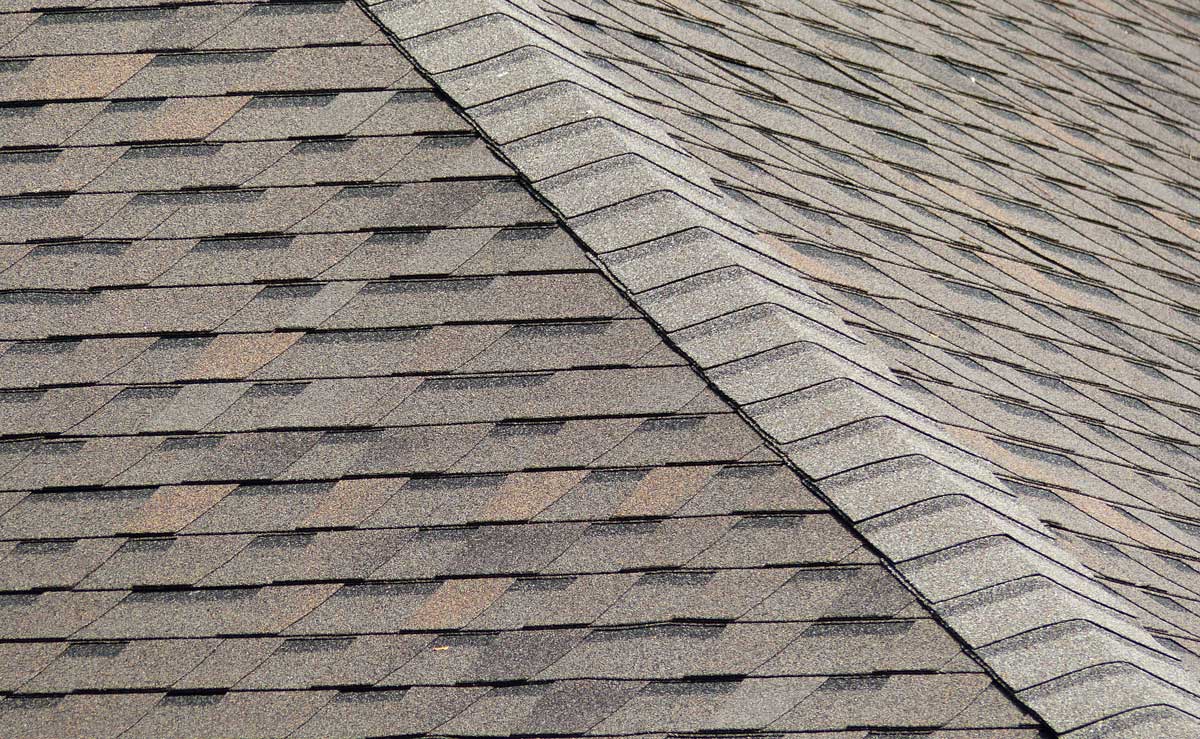
When it comes to the anatomy of a roof, there are many components that play a crucial role in its functionality. One such component is a ridge vent. But what is a ridge vent on the roof and why is it important for your home? Understanding the purpose and benefits of a ridge vent is essential for homeowners who want to make informed decisions about their residential roofing system.
In this article, we will explore what a ridge vent is, how it works, and why it is a valuable addition to any roof. Whether you’re a homeowner considering a new roof installation or simply curious about the functionality of your current roof, this article will provide you with the necessary knowledge to understand the importance of a ridge vent.
What Is Ridge Vent on the Roof and Why Does It Matter?
Whether you’re renovating your roof or constructing a new one, you might be wondering: What is a ridge vent on the roof? Let’s take a closer look at this integral part of your roof.
Roof ventilation is an essential aspect of maintaining a healthy and functional roof. It helps to regulate temperature, prevent moisture buildup, and extend the lifespan of your roof. A ridge vent is an integral component of a modern roofing system, designed to enhance the natural circulation of air in an attic or the space beneath a roof.
The ridge vent, as its name suggests, is located along the peak or ridge of a roof. It is a continuous vent that runs the entire length of the ridge, allowing warm, moist air from the attic to escape. The design is typically low-profile, ensuring that it blends seamlessly with the roofline without detracting from the aesthetic appeal of the house.
How Does a Roof Ridge Vent Work?
The main purpose of the ridge vent is to facilitate proper attic ventilation. Proper roof ventilation is crucial for preventing a range of issues, from the buildup of condensation (which can lead to mold growth and structural damage) to extreme attic temperatures that can reduce the lifespan of roofing materials and increase cooling costs.
Ridge vents operate based on the principle of natural convection. As warm air rises, it accumulates in the attic. Without an avenue of escape, this warm air can lead to a buildup of heat and moisture. The ridge vent allows this warm, moist air to exit at the highest point of the attic. To complement this, intake vents, typically located at the soffits (or the underside of the eaves), draw in cooler, fresh air.
Together, these systems ensure a continuous flow of air, from the soffits through the attic and out the ridge vent.
Benefits of Ridge Vents
Roof ridge vents are an essential component of a well-ventilated roofing system. Here are some of the key benefits of roof ridge vents:
1. Energy Efficiency
Roof ridge vents promote energy efficiency by allowing hot air to escape from the attic. During the summer months, heat tends to accumulate in the attic, which can transfer to the living spaces below, making your home uncomfortably warm. By installing ridge vents, hot air can easily escape, reducing the need for excessive air conditioning usage.
2. Roof Longevity
Without adequate airflow, excess heat and moisture can build up in the attic, leading to the deterioration of roofing materials. This can result in premature roof aging, decay, and the need for costly repairs or replacements. Roof ridge vents help prevent these issues by facilitating proper ventilation, allowing for the release of excess heat and moisture, thus prolonging the life of your roof.
3. Moisture Control
Excessive moisture in the attic can lead to mold and mildew growth, which not only poses health risks but can also cause significant damage to your home’s structure. Roof ridge vents work in conjunction with soffit vents to create an effective ventilation system that allows moist air to escape, reducing the risk of mold and keeping your attic dry and well-ventilated.
4. Balanced Ventilation
One of the key advantages of roof ridge vents is their ability to provide balanced ventilation. When combined with soffit vents, ridge vents create a natural airflow, allowing fresh air to enter through the soffit vents and hot air to escape through the ridge vents.
5. Aesthetic Appeal
Aside from their functional benefits, roof ridge vents also enhance the aesthetic appeal of your home. Unlike traditional box vents or turbines, ridge vents are subtle and blend seamlessly into the roofline. They provide a clean, sleek appearance that does not detract from the overall design of your home.
6. Pest and Debris Barrier
Roof ridge vents are designed with features that prevent pests, such as birds, rodents, and insects, from entering your attic. These vents are equipped with mesh or screens that act as barriers, keeping unwanted creatures out. Additionally, they also prevent debris, such as leaves and twigs, from entering the attic, reducing the risk of clogged gutters and potential water damage.
Types of Ridge Vents
Ridge vents come in various designs and materials, each with its unique advantages. Here’s a rundown of the different types of ridge vents available:
1. Ridge Ventilators
This type of ridge vent is installed along the entire length of the roof’s ridge. It is a continuous strip vent that helps create a consistent flow of air along the roofline. Ridge ventilators are typically made from durable materials such as aluminum or PVC and can effectively remove heat and moisture from the attic.
2. Shingle-over Ridge Vents
As the name suggests, shingle-over ridge vents are installed directly over the roof’s shingles. They are designed to blend seamlessly with the rest of the roof, providing a discreet and aesthetically pleasing ventilation solution. Shingle-over ridge vents are often made from materials like plastic or metal and are an excellent choice for homeowners who prioritize curb appeal.
3. Static Vents
Unlike ridge ventilators, static vents are not continuous and are installed individually along the roof’s ridge. They come in various shapes and sizes, including square, rectangular, and round designs. Static vents rely on natural wind forces to create ventilation in the attic space. They are a cost-effective option and can be easily installed by roofing professionals.
4. Power Vents
Power vents, also known as electric attic fans, are motorized ventilation systems that actively remove hot air from the attic. They are typically installed near the roof’s ridge and are powered by electricity. Power vents are equipped with thermostats that automatically turn on the fan when the attic temperature exceeds a certain level. While power vents can be effective in removing hot air, they require electricity to operate and may increase energy costs.
5. Soffit Vents
Soffit vents work in conjunction with ridge vents to create a balanced ventilation system. These vents are installed on the underside of the roof’s overhang, allowing cool air to enter the attic while warm air escapes through the ridge vent. Soffit vents are available in various styles, including continuous vents and individual vents.
When selecting a ridge vent, it’s essential to consider various factors like the roof’s design, local weather conditions, and aesthetic preferences. Moreover, ensuring proper installation is crucial, as even the best ridge vent won’t function optimally if installed incorrectly. Proper pairing with intake ventilation, such as soffit or gable vents, is also a key consideration for a balanced attic ventilation system.
How Much Does Roof Ridge Vent Installation Cost?
The cost of fitting a ridge vent on your roof largely hinges on the installation process. Although the materials required for such an installation rank among the more cost-effective in the roofing domain, the ridge vent itself typically costs between $2 and $3 per linear foot based on national figures.
Before installing the vent, contractors need to undertake certain preparatory tasks, adding to the overall cost. This includes removing shingles or metal sections from the roof’s ridge and clearing away any underlying barrier. Subsequently, the contractor will carve out an elongated opening for the ridge vent that spans the roof’s entire length.
This preparatory and installation phase is time-intensive, consuming several hours, and represents the most significant chunk of the ridge vent installation cost. Data from national surveys suggest that roofing specialists typically bill between $45 and $75 per hour for their labor during this process, amounting to an average labor fee of about $300 to $400 for the installation.
On assessing the national average, the overall expenditure for installing a ridge vent usually ranges from $300 to $650, with a median price hovering around $500 for a full installation.
Finding Professional Roofing Contractors Near Me
Whether you’re looking to reduce your energy bills, protect your roof, or enhance the comfort of your living space, installing roof ridge vents is a highly recommended solution. So, don’t overlook the importance of proper roof ventilation and consider the advantages of ridge vents for your home.
Protect your home with the best in the business! Search for trusted roofing contractors near you today and ensure your roof stands strong against the elements. Get in touch with Roof Nation today to find trusted roof contractors in your area.