
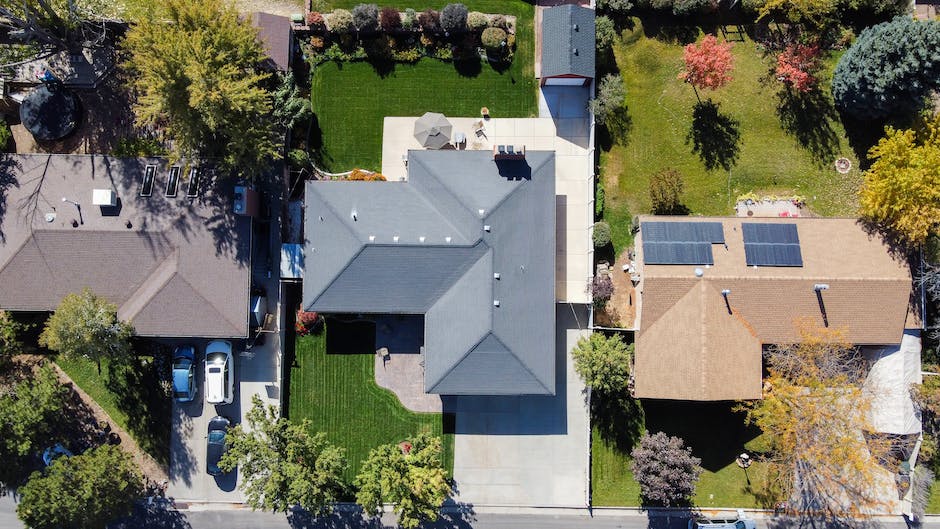
Roofing materials play a pivotal role in the energy efficiency of a building, with their insulation properties significantly influencing the overall thermal performance. This article delves into roofing materials, providing a comprehensive understanding of their insulation properties, the factors affecting them, and the role of proper installation and ventilation.
Whether you’re a homeowner looking to make an informed decision for your next roof replacement or a professional in the construction industry, this guide will equip you with the knowledge you need to make the best choices for energy-efficient roofing.
Understanding the Insulation Properties of Roofing Materials
A roofing material’s insulation capabilities can profoundly affect a building’s energy efficiency, comfort, and maintenance costs. A well-insulated roof can significantly reduce the heat exchange between the interior and exterior of a structure, which can lead to a decreased reliance on heating and cooling systems.
This article aims to shed light on these insulation properties, setting the stage for a detailed exploration of the specific characteristics of various common roofing materials.
Insulation Properties of Various Roofing Materials
Roofing materials are as diverse as the properties they possess, each one boasting unique insulation characteristics. Whether you’re a homeowner or a construction professional, comprehending these properties is crucial to making informed decisions about the most suitable roofing material for your specific climate and energy efficiency requirements.
Asphalt Shingles
Popular across North America, asphalt shingles offer moderate insulation. Their R-values are lower than some alternatives but added insulation layers can enhance performance.
Two primary types exist: organic mat-based and fiberglass-based. Fiberglass variants have better fire resistance but slightly lesser insulation than organic ones. Color choice can influence heat absorption: dark shingles absorb more solar heat, while lighter ones reflect it. Paired with suitable underlayment insulation, they remain cost-effective and versatile.
Metal Roofing
Metal roofing, often steel or aluminum, is lauded for durability and insulation. Modern metal roofs use reflective coatings to deflect solar heat, optimizing insulation—the secret lies in surface properties and installation.
Adding insulative layers and using ‘above sheathing ventilation’ can improve insulation. Although pricier initially than asphalt, their long-term energy savings and durability benefits can justify the cost.
Wood Shingles and Slate Roofing
Both wood and slate roofing provide unique aesthetics and commendable insulation. Cedar wood shingles, a natural insulator, require regular maintenance to retain their properties.
Slate, dense and heat-absorbent, delivers consistent indoor temperatures. While heavier and often pricier upfront, their distinctive look and, for slate, long lifespan make them attractive choices. Proper installation and ventilation can maximize their insulation potential.
Tile Roofing
Tiles, made of concrete or clay, meld durability, longevity, and insulation. Their thermal mass, like slate, absorbs daytime heat and releases it slowly. An ‘air gap’ installation method, typical with tiles, acts as an insulation booster.
Opting for lighter-colored tiles can also enhance solar reflection, reducing attic heat. Despite their weight and higher installation costs, their prolonged lifespan and insulation properties make them a notable choice.
Factors Affecting the Insulation Properties of Roofing Materials
The insulation performance of roofing materials is influenced by a variety of factors. Understanding these elements is crucial when deciding on the most suitable roofing material.
Key considerations include the inherent insulation properties of the material, its composition, color, and the installation method. Each of these elements can significantly impact the overall insulation efficiency of a roof. The following sections will delve deeper into these critical factors.
Material Composition and Roof Color
The insulation capabilities of roofing materials are significantly influenced by their composition. The structure and density of the materials play a pivotal role in determining their heat conduction abilities. For instance, denser materials like metal are known for their rapid heat conduction, while materials such as wood, with tiny air pockets, naturally impede heat flow.
Enhancements to materials can also augment their insulation properties. Reflective coatings on metal roofs or pressure treatments on wood shingles are examples of such modifications. These enhancements reflect heat or resist moisture absorption, improving the insulation.
The color of the roof is another crucial factor in residential roof insulation. The color of the external surface impacts the amount of solar radiation that the roof absorbs or reflects. Roofs that are light-colored or cool reflect more sunlight and heat, reducing the need for cooling during hot summer months. On the other hand, dark-colored roofs absorb more heat, which can be beneficial in colder climates by helping to warm the interiors.
Therefore, selecting a desirable roofing material with inherent insulation properties and a color that suits your climate can significantly enhance your home’s energy efficiency and overall comfort.
Role of Proper Installation and Ventilation
The insulation potential of even the highest quality roofing material can be compromised if it is not correctly installed. Successful installation involves securely fitting the shingles or tiles to prevent heat leakage while allowing for necessary ventilation.
A common technique to enhance insulation during installation is incorporating thermal barrier layers beneath the roofing material. This barrier aids in reducing heat transfer, helping to keep the interiors cool during summer and warm during colder months.
A well-designed ventilation system is equally critical to insulation efficiency. An effective roofing system should facilitate air movement between the roofing material and the lower layers. This air space acts as an insulating layer, reducing direct heat transfer from the outside environment to the indoor spaces. For instance, tile roofing often includes an ‘air gap’ in its design.
Proper ventilation also helps prevent moisture buildup, vital for maintaining insulation effectiveness over time. Moisture within the roof structure can degrade the roofing material and significantly diminish its insulating properties.
Careful installation and well-planned ventilation are essential to fully realize a roofing material’s insulation efficiency, making them key contributors to optimal roofing performance.
FAQs
1. What is the significance of insulation in roofing materials?
Insulation is crucial for maintaining consistent interior temperatures. By reducing heat transfer, insulating roofs lessens energy consumption, reduces energy costs, and promotes environmental sustainability.
2. How are the insulation properties of roofing materials determined?
The insulation properties of roofing materials are evaluated by their R-value, a measure of thermal resistance. Higher R-values indicate better insulation, reducing heat transfer more efficiently.
3. What roofing materials provide excellent insulation?
Materials such as metal roofs coated with special reflective coatings, slate tiles, and green roofs are recognized for their high insulation properties. These materials efficiently maintain interior temperature by minimizing heat transfer.
4. How does improving roof insulation impact energy consumption?
Improvement in roof insulation reduces the energy needed to heat or cool a building. This lowered energy demand results in minimized carbon emissions and substantial cost savings.
5. Can old roofing materials be enhanced to improve their insulation properties?
Yes, old roofing materials can be improved to enhance their insulation characteristics. This is accomplished by adding layers of high R-value insulation or applying reflective coatings.
Conclusion
Various roofing materials offer unique insulation properties and benefits. Homeowners have many options, from cost-effective asphalt shingles to durable metal roofs, natural wood and slate, and thermally efficient tiles. The right choice hinges on a blend of budget, aesthetic preferences, and desired insulation performance. Proper installation remains crucial to maximizing benefits.
Learn more about the sustainability of roofing materials when you purchase a contractor for your roof from our blogs at Roof Nation.