
Understanding roof installation costs will help simplify the expenses involved in a roof installation for your property. It covers material, labor, regional cost differences, and extra features, aiding in informed decisions for quality and budget balance, whether for repairs or a full overhaul, enhancing your property’s look and structural integrity.
Material Selection and Long-Term Value
Choosing roofing materials is crucial, impacting your home’s future value. Consider the lifespan, maintenance, energy efficiency, and aesthetics of each material. For example, asphalt shingles are affordable but last 20-25 years, while metal, tile, or slate have higher upfront costs but last over 50 years, offering better long-term value. Energy-efficient materials like metal can save on air conditioning costs, and low-maintenance options may cost more initially but save money over time.
Comparing Roofing Materials
Different roofing materials offer unique benefits. Asphalt shingles are cost-effective and versatile, suitable for various styles but with a shorter lifespan. Metal roofing, like steel or aluminum, offers longevity and energy efficiency but at a higher initial cost. Wood shakes provide insulation and natural beauty but require more maintenance. Slate roofs are extremely durable but heavy and expensive. Concrete and clay tiles suit specific styles and withstand hot climates, while synthetic materials offer durability and cost-efficiency.
Cost Variations by Region
Roofing costs vary regionally due to economic trends, material availability, and living costs. Urban areas like New York City generally have higher roofing costs. Local climates affecting weather resilience, supply and demand for specific materials, transportation costs, and local contractor competition also influence pricing. Understanding these factors helps in budgeting and comparing quotes across regions.
Geographic Impact on Material and Labor
Your location affects roofing material costs and labor rates. Local availability of materials can reduce costs, while distant sourcing increases them. Local climate and architectural trends influence material choice and price. Labor costs vary with the cost of living and the availability of skilled roofers. Weather patterns and local building codes also impact labor costs and project timelines. Recognizing these regional influences aids in accurate budget planning for roofing projects.
Additional Features and Structural Considerations
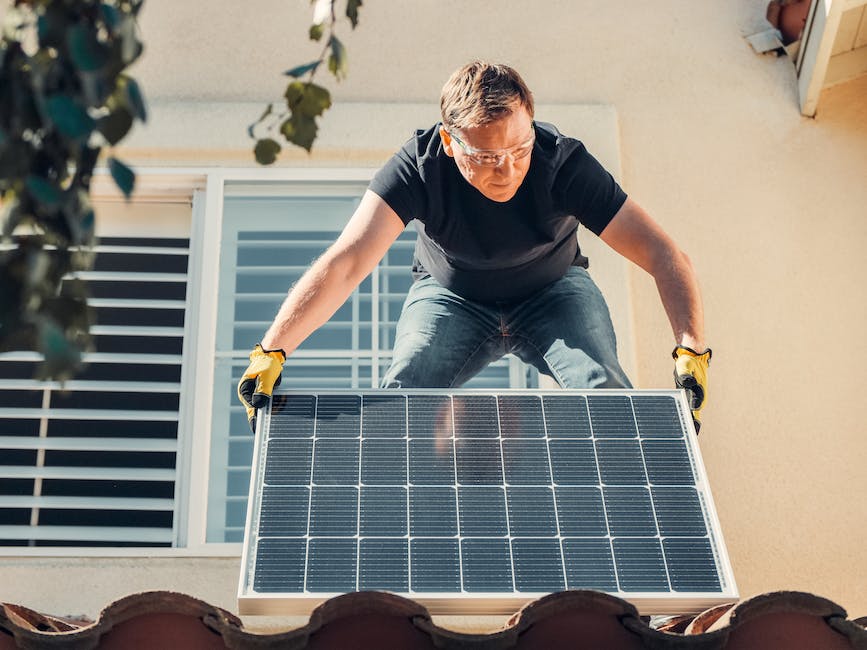
When planning a new roof, consider potential added features and structural needs. Enhancements like skylights, solar panels, or green roofs increase functionality and value but also costs.
Heavier materials may require reinforcing the home’s structure, impacting the budget. Complex roof designs with valleys and peaks demand more labor and expertise. Additionally, regional environmental and safety regulations can introduce extra expenses. Including these factors in your budget ensures a comprehensive view of the roofing process.
Enhancements and Protective Elements
Roofs can be fortified with additional protective elements. Roof decking protection adds a moisture barrier, crucial for preventing water intrusion. Advanced underlayment materials offer better resistance against harsh weather. In cold climates, ice and water shields protect against ice damming.
Proper ventilation, through ridge, soffit, or gable vents, extends roof life by regulating attic conditions. Upgraded gutter systems, like seamless gutters or leaf guards, improve water channeling.
Protective coatings or sealants enhance durability and energy efficiency. In storm-prone areas, reinforcements like hurricane straps increase wind resistance. These enhancements, while initially costly, can lead to long-term savings and enhanced safety.
Understanding Warranties and Insurance
For homeowners investing in a new roof, understanding warranties and insurance is key. Manufacturer warranties cover materials, varying from 20 years to a lifetime. It’s important to check what they include, as some may not cover labor costs. Contractor warranties cover workmanship, differing in duration and scope. Standard homeowners insurance policies typically cover unexpected damage, but not wear and tear. Ensure your contractor has adequate liability insurance and workers’ compensation to protect against installation accidents.
Manufacturer and Contractor Warranties
Warranties are crucial for roofing investments. Manufacturer warranties cover material defects for a set period, sometimes offering extended protection. These may be prorated over time and require proper installation and maintenance.
Contractor warranties cover installation quality for a shorter period. They should clearly outline coverage scope, duration, and claim processes. Understanding both warranties is essential for addressing future issues, and keeping detailed records is important for warranty claims.
Permits, Inspections, and Legal Requirements
Roof installation involves permits, inspections, and legal mandates. Permits, required for extensive projects, ensure compliance with local safety and building codes. The permit process and associated inspections, which validate the work’s compliance, should be factored into the project’s timeline and budget. Legal requirements, like material restrictions in historic areas or homeowners’ association rules, must also be followed to avoid penalties.
Legal Expenses in Roof Installation
Legal considerations in roof installation include permit costs, which vary by location. Compliance with local zoning laws and building codes is crucial to avoid fines. Reviewing contracts with legal professionals and adhering to homeowners’ association rules can incur additional costs.
In some cases, hiring a surveyor or engineer for structural alterations is necessary. Unforeseen legal issues may also arise, requiring legal counsel. Budgeting for these potential expenses and working with a knowledgeable contractor can help navigate these legal aspects smoothly.
Selecting a Roofing Contractor
Choosing the right roofing contractor is crucial. Look for skill, reliability, and legal compliance. Compare multiple estimates, considering not just price but also work scope, timelines, and service quality.
Check the contractor’s license, insurance, and bond for business regulation adherence, liability protection, and financial security. Evaluate their past work and client feedback, and ensure clear communication for a smooth installation process.
Evaluating Contractor Quotes and Credentials
When evaluating contractor quotes, assess beyond the price. A detailed quote should include material, labor, and additional costs like permits. Verify the contractor’s licensing, insurance, and work history. Check their warranty offerings and professional certifications. This thorough evaluation helps in choosing a contractor who offers quality work and reliable service.
Financing Options for Roof Installation
Financing a new roof can involve various options. Home equity loans offer lower rates using your home as collateral. Personal loans provide fixed rates but might have higher interest. Contractor financing can be convenient but understand the terms fully. Credit cards with 0% APR are good for smaller projects, and government loans or rebates may support energy-efficient upgrades. Compare all terms and rates to fit your budget.
Financing Plans and Considerations
In choosing a financing plan, consider all costs, including interest rates and additional fees. Decide between shorter repayment periods with less total interest or longer terms with lower monthly payments. Understand the risks of secured loans versus the higher rates of unsecured loans.
Consider fixed-rate options for predictable payments. Your credit score will affect your options, so improve it if possible. Consult a tax advisor for potential deductions on loan interest. Compare offers from different lenders to find the best fit for your financial situation.
Conclusion
Understanding the cost of roof installation requires careful consideration of materials, labor, regional factors, warranties, and financing options. By evaluating these elements, homeowners can make informed decisions, balancing quality and budget. A well-planned investment in roofing not only enhances property value but also ensures long-term protection and satisfaction, making it a crucial aspect of home maintenance and improvement.
Read more about laying metal roofing over shingles from experts at Roof Nation today.