
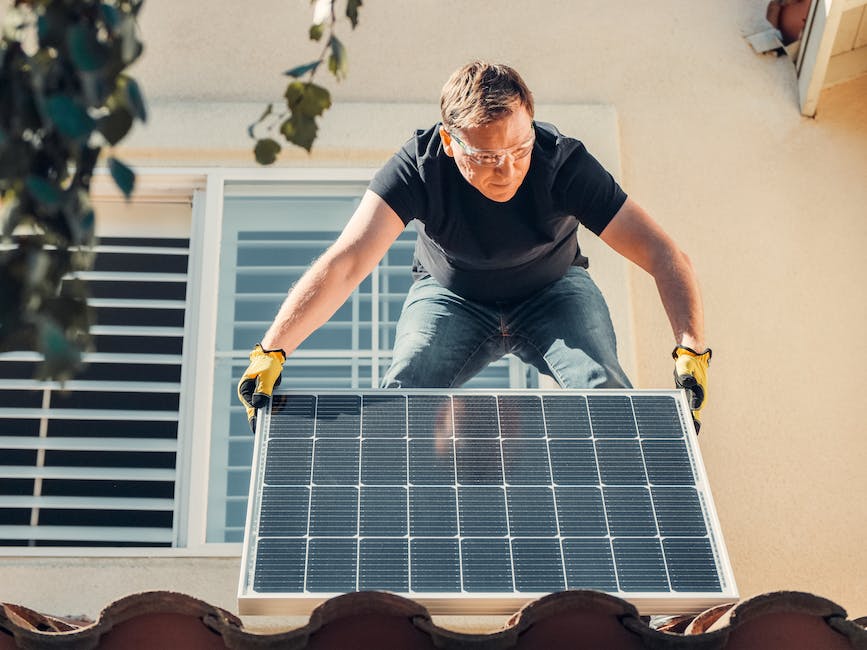
During roof installation, risks are significant, and the margin for error is slim. In this high-stakes environment, supervisors play a pivotal role in upholding safety standards and ensuring that every member of the roofing team returns home safely each day. Their responsibilities extend beyond mere project management, encompassing a broad spectrum of safety measures and risk management.
In this guide, we’ll explore the role of supervisors in roof contractors. We’ll dive into their multifaceted responsibilities, from planning and training to on-site oversight, and how their guidance can make all the difference in preventing accidents and maintaining a secure work environment.
Understanding the Responsibilities of Supervisors in Roof Installation
Supervisors in the roofing industry bear a multitude of responsibilities aimed at fostering a safe and efficient work environment. Their role primarily revolves around careful management and orchestration of projects.
Project Planning
To begin with, supervisors are responsible for project planning. They must grasp the complexities of each project under their watch, from required materials, project timelines, to potential obstacles that may surface during installation. This includes carrying out a thorough Job Safety Analysis (JSA) before work commences, a process that helps pinpoint potential hazards and establish safe work procedures.
Work Safety Guidelines
Next, supervisors are charged with enforcing safety regulations and guidelines. They must be well-versed in Occupational Safety and Health Administration (OSHA) standards and ensure these are integrated into every facet of the work. This involves distributing safety gear, performing regular safety audits and equipment inspections, and addressing any safety infringements.
Personnel and Training
They also manage personnel and training. Supervisors must ensure that every worker on the site is skilled and knowledgeable about safety procedures. They should organize regular training sessions to keep the team abreast of current safety standards and practices.
Incident Management
Supervisors also oversee incident management. In the event of an accident or near-miss incident on the worksite, supervisors must ensure proper reporting and investigation are conducted. They must then put in place corrective and preventive measures to prevent future occurrences.
Communication
Maintaining open lines of communication is another crucial responsibility. Supervisors must ensure clear communication between staff, management, and external entities, such as clients, to ensure everyone is aware of safety standards and updates on ongoing projects. This promotes transparency and ensures all parties are aligned in terms of safety protocol.
Supervisors as Safety Managers
In the realm of roof installation, supervisors often step into the shoes of safety managers, becoming the linchpin of safety measures on the job site.
Their primary task as safety managers is to ensure strict compliance with safety regulations. This includes enforcing the proper use of Personal Protective Equipment (PPE) – a non-negotiable aspect of safety. They ensure that each worker is equipped with essential safety gear, from hard hats and fall protection harnesses to safety glasses.
Regular safety audits and inspections also fall within their purview. These involve a comprehensive and methodical review of the job site to verify the accurate implementation of safety protocols. They assess the operational status and safety of equipment and confirm that work methods are in line with safety guidelines.
Beyond these tasks, supervisors play a pivotal role in shaping the safety culture among the workforce. They set the tone by exemplifying a strong commitment to safety in their actions and attitudes, fostering a positive safety environment. They promote open discussions about safety, celebrate safe practices, and promptly address any unsafe behaviors. These efforts help cultivate a workplace where safety becomes a shared responsibility.
In the event of emergencies during roof installation, supervisors also take the lead. They ensure that workers are well-prepared and capable of responding effectively to emergency situations. They develop emergency plans that outline the necessary steps to be taken during accidents or disasters.
Moreover, they oversee incident reporting and investigation. In the unfortunate event of an accident, supervisors are tasked with documenting and reporting the incident promptly. They conduct an investigation to identify the root cause of the accident and formulate strategies to prevent similar incidents in the future.
In essence, as safety managers, supervisors shoulder the responsibility of creating and nurturing a safe working environment in roofing projects. Their influential position enables them to guide behavior, enforce standards, and react to situations that could potentially compromise the safety and health of the workers.
Training and Qualification for Supervisors
In the challenging and risk-laden field of roof installation, the role of supervisors is of paramount importance. It’s not a luxury, but a necessity, to have supervisors who are both highly qualified and thoroughly trained. These individuals juggle multiple roles that encompass the safety and well-being of their teams, as well as the successful completion of each project. This necessitates a unique blend of skills, qualifications, and comprehensive training.
Training and Skills for Supervisors
In the roofing industry, the role of a supervisor extends beyond mere oversight. It requires a comprehensive training program that equips them with a wide array of skills. The foundation of this training lies in technical expertise and leadership abilities, but it doesn’t stop there.
Technical training should cover the safe operation of roofing equipment, from ladders to personal protective gear. Given the elevated risks in roofing jobs, a significant focus should be on fall prevention and response strategies. Supervisors also need to be adept at identifying potential hazards on the job site, necessitating training in risk assessment and hazard control measures.
Emergency response training is another crucial aspect. Supervisors should be well-versed in evacuation plans and first aid procedures, including Cardio-Pulmonary Resuscitation (CPR), to ensure crew safety during emergencies.
Leadership and communication skills are indispensable for supervisors. Training should encompass various leadership styles and techniques to effectively motivate their team. Clear communication is key to conveying safety policies and fostering open discussions about safety concerns.
Personnel management skills are also essential, enabling supervisors to manage conflicts, ensure fair treatment, and create a positive work environment. Additionally, they must be knowledgeable about labor laws and health and safety standards.
Qualifications Needed
The role of a roofing supervisor demands a set of specific qualifications. The basic requirement is often a high school diploma or its equivalent. However, most companies prefer individuals with a background in construction or roofing, typically necessitating several years of field experience.
A solid understanding of construction and roofing principles is a must. This includes the ability to interpret blueprints, familiarity with various roofing materials and techniques, and a thorough understanding of building codes and standards.
Certifications can significantly enhance a supervisor’s credibility. For instance, the Occupational Safety and Health Administration (OSHA) certification provides extensive safety training and validates a supervisor’s comprehension of safety practices. Additional qualifications like First Aid and CPR certifications are also beneficial, ensuring supervisors can efficiently manage emergencies until professional medical help arrives.
Frequently Asked Questions
1. What is the role of supervisors in ensuring roof installation safety?
Supervisors play an integral role in maintaining safety during roof installations. This includes creating safe work procedures, providing proper training, and delivering necessary safety equipment.
2. How can supervisors contribute to preventing falls during roof installations?
Supervisors prevent falls by implementing effective fall protection measures. These can involve guardrails, safety nets, personal fall arrest systems, or a combination of these methods.
3. What specific training should supervisors provide for safe roof installation?
Supervisors must train roof installation workers on hazard identification, risk assessment, and control measures. This includes how to correctly use safety equipment and emergency response procedures.
4. What is the role of supervisors in ensuring proper use of safety equipment during roof installations?
Supervisors have the responsibility to ensure all members of the roof installation team correctly use safety equipment. This requires providing both initial training and ongoing reviews of correct equipment application.
5. How does a supervisor’s communication skills affect roof installation safety?
Communication skills have a significant impact on roof installation safety. A supervisor’s ability to clearly explain procedures, hazards, and safety measures can determine whether workers follow safety protocols.
6. What legal responsibilities do supervisors have in relation to roof installation safety?
Legally, supervisors are accountable for providing a safe work environment. This includes complying with all relevant safety regulations, conducting regular safety audits, and taking corrective action when safety issues arise.
Work With Emergency Roof Repair Contractors
In the world of construction, challenges can arise, even with the best-laid plans. When unexpected roof emergencies strike, having a reliable team to turn to is essential. That’s why we encourage you to consider emergency roof repair services. Whether it’s storm damage, leaks, or unexpected issues, these experts are ready to provide prompt solutions and protect your investment.
Don’t hesitate to reach out to emergency roof repair professionals when the need arises. In doing so, you’ll not only safeguard your roofing investment but also ensure the safety and well-being of everyone under your roof. Your peace of mind is just a call away!