
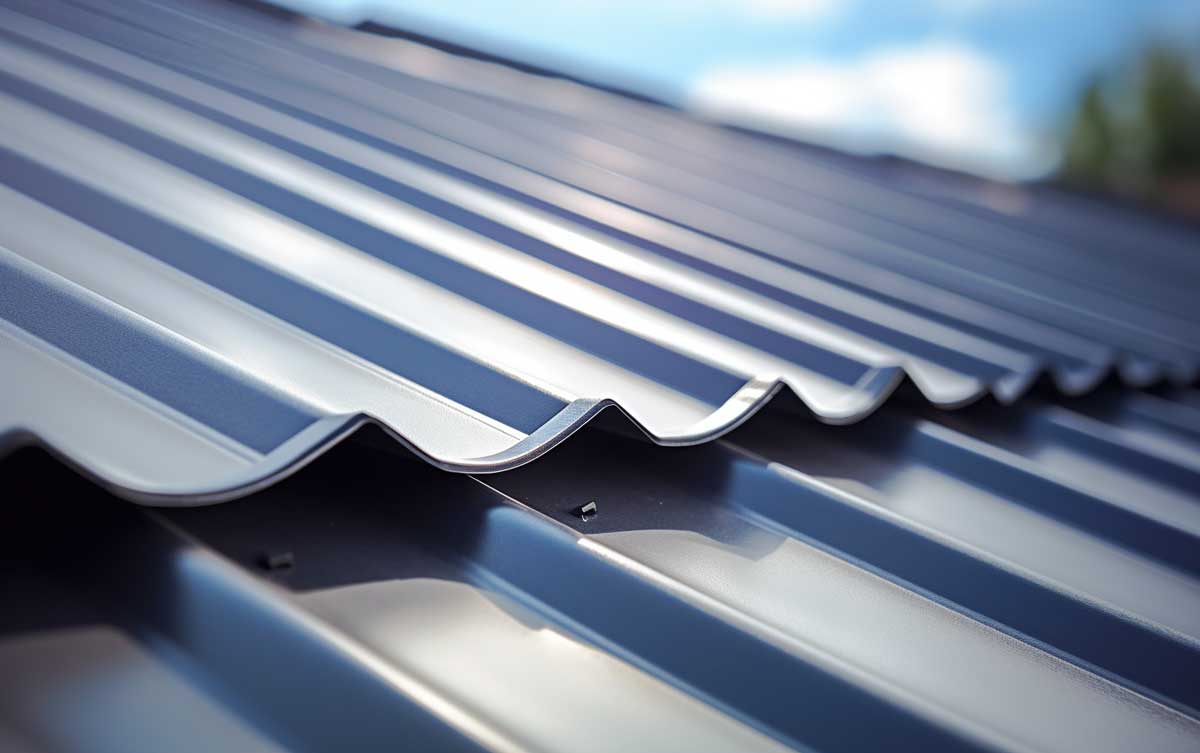
Roofs are integral to our homes, protecting us from the elements. However, they can suffer from wear and tear or sudden damage over time. Understanding insurance policies and how they handle roof replacements is crucial for homeowners seeking to learn how to get their insurance company to pay for a new roof. Read on to discover how to get insurance company to pay for new roof.
Why You Might Need a New Roof
The need for a new roof isn’t always evident. Several factors, ranging from storm damage to accidents, can lead to roof deterioration. A damaged roof compromises the structural integrity of your home and poses potential safety risks. Regular inspections and maintenance can help identify and prevent major damage early on.
Insurance Coverage for a New Roof
Navigating how to get insurance company to pay for new roof can be daunting, especially concerning roof replacements. Understanding the nuances of coverage, from policy types to claim processes, is crucial for homeowners who need a new roof. Dive in to be informed and prepared.
Types of Homeowners Insurance Policies
Homeowners insurance is not a one-size-fits-all commodity. These policies vary greatly in their offerings, each tailored to different needs, risks, and homeowner preferences. While many factors define these policies, understanding their coverage when it comes to roof damage becomes a cornerstone of a wise insurance choice.
HO-3 vs. HO-5: A Comparative Glimpse
-
HO-3 Policies: Often termed the “special form” policy, HO-3 is the most common type of homeowners insurance. This policy offers protection against all risks or perils unless they are specifically excluded. Its broad protection sets it apart, but homeowners should meticulously review the list of exclusions, particularly those related to roof damages from specific causes.
-
HO-5 Policies: Known as the “comprehensive form,” HO-5 policies stand as the gold standard in homeowners insurance. Offering a wider coverage spectrum, HO-5 typically provides insurance for everything an HO-3 does and more, covering more perils and often including those that might be excluded in an HO-3.
Types of Coverage for Roof Replacement or Repair
The heart of every insurance policy is its coverage specifics. For roofs, the distinctions in coverage can sometimes be subtle yet significantly impactful when disaster strikes.
Cause-Based Coverage Distinctions
Whether your roof suffers from a lightning strike, a hail storm, or a falling tree, the nature of the damage can dictate the coverage. Natural disasters like storms or fires might have distinct clauses compared to damages from leaks or other household mishaps. Understanding these nuances can save homeowners from unexpected out-of-pocket expenses.
Exclusions: The Fine Print
All policies come with exclusions, and it’s crucial to be aware of them. Common exclusions involve general wear and tear, implying that routine degradation over time might not be covered. Another key exclusion concerns roofs that have surpassed their intended lifespan. A roof that’s older and hasn’t been replaced in decades might find little sympathy from an insurance claim.
In summary, while diving deep into the details of homeowners insurance might seem taxing, it’s an endeavor that pays off. Knowledge is power; in this context, it could also mean considerable financial savings and peace of mind.
How to Assess Your Current Coverage
The first step in leveraging your insurance for roof repair is to review your insurance policy. Know what type of damage is covered. Does the policy provide replacement cost or actual cash value? Also, be aware of potential exclusions like earthquakes, floods, pest damage, or lack of maintenance.
Filing an Insurance Claim for a New Roof
A substantial roof repair or replacement can be a complicated insurance claim process. Proper documentation and informed choices in selecting roofing professionals are pivotal to ensuring a seamless claim experience and obtaining due coverage. Explore the steps below for a methodical approach.
Documenting the Damage to Your Roof
Before filing a claim, inspect and document the roof damage thoroughly. For asphalt shingles, look for uplifted or missing tiles, brittleness, and areas where the wind has caused the nails to pull through. Identify cracked tiles and areas where the adhesive foam isn’t holding for concrete tiles.
Gathering Estimates from Reputable Roofing Companies
It’s advisable to get estimates from reputable roofing companies with insurance claims experience. Seek companies with positive online reviews and ensure you deal with a licensed roofing contractor.
Submitting Your Insurance Claim and Supporting Documentation
When you’re ready to submit your claim, follow your homeowner’s policy’s guidelines meticulously. This includes submitting a roofing contractor inspection, photographs, and estimates. Proper documentation strengthens your case.
The Claims Process: What to Expect from Your Insurance Company
Understanding the claims process is essential when securing coverage for roof damage. Your insurance company plays a pivotal role in assessing the damage, estimating repair costs, and ultimately determining the outcome of your claim. Explore the intricacies to navigate this critical stage successfully.
Contacting the Adjuster Assigned to Your Claim
The adjuster plays a pivotal role. Maintaining effective communication and promptly providing the necessary documentation can ensure your claim for a new roof is viewed favorably. Remember, the adjuster has the final word on the claim, so fostering a cooperative relationship is crucial.
The Adjustment Meeting and Estimate of Repair Costs
The adjustment meeting is a critical phase. The insurance adjuster evaluates your roof’s damage and provides a repair estimate. This estimate considers the damage extent, required materials, and labor costs.
Actual Cash Value vs. Replacement Cost Considerations
Understanding the difference between actual cash value and replacement cost coverage can significantly affect your claim. If your roof is older or showing wear, the actual cash value might be less than the replacement cost. Also, the age and condition of the roof can impact coverage, especially upon policy renewal.
Negotiating with the Adjuster and Settling on an Agreement
Negotiation is an art. Equip yourself with comprehensive documentation and a thorough understanding of your policy. This negotiation involves factors like repair cost estimates and the distinction between actual cash value and replacement cost.
FAQs
1. When does a typical homeowners insurance policy cover roof damage?
A standard homeowners insurance policy usually covers roof damage resulting from unpreventable events like vandalism or acts of nature, such as severe storms and hail. However, damage due to neglect, wear and tear, or poor maintenance might not be covered.
2. How does the age of my roof impact an insurance claim?
The age of the roof can greatly affect the insurance claim. Some policies might offer reduced coverage for older roofs, while others could determine the payout based on the roof’s depreciated value. It’s crucial to understand the specifics of your policy.
3. Can I select my roofing contractor for the repair or replacement?
Yes, homeowners typically have the right to choose their roofing contractor. However, selecting a licensed, reputable, and insured contractor is essential. Some insurance companies might also have a list of preferred contractors they recommend.
4. What if the estimated repair cost exceeds my policy’s coverage limit?
If the repair estimate surpasses the policy’s coverage limit, the homeowner will be responsible for paying the difference. It’s always advisable to ensure that your policy’s limit reflects the potential repair or replacement costs in your area.
5. How can I ensure my claim is processed quickly and efficiently?
For a swift claims process, promptly report the damage, provide comprehensive documentation, including photographs and estimates, and maintain open communication with your insurance adjuster. Having your roofing contractor involved in discussions can also be beneficial.
Conclusion
Navigating the intricacies of how to get insurance company to pay for new roof can be daunting. However, homeowners can ensure their claims are favorably received with the right knowledge and approach. Always consider consulting a roofing company for expert opinions before initiating a claim. After all, insurance companies are here to help, but they won’t pay for unnecessary repairs or replacements.
Learn more about roof coating services you can find near you and explore your options from our blog at Roof Nation.