
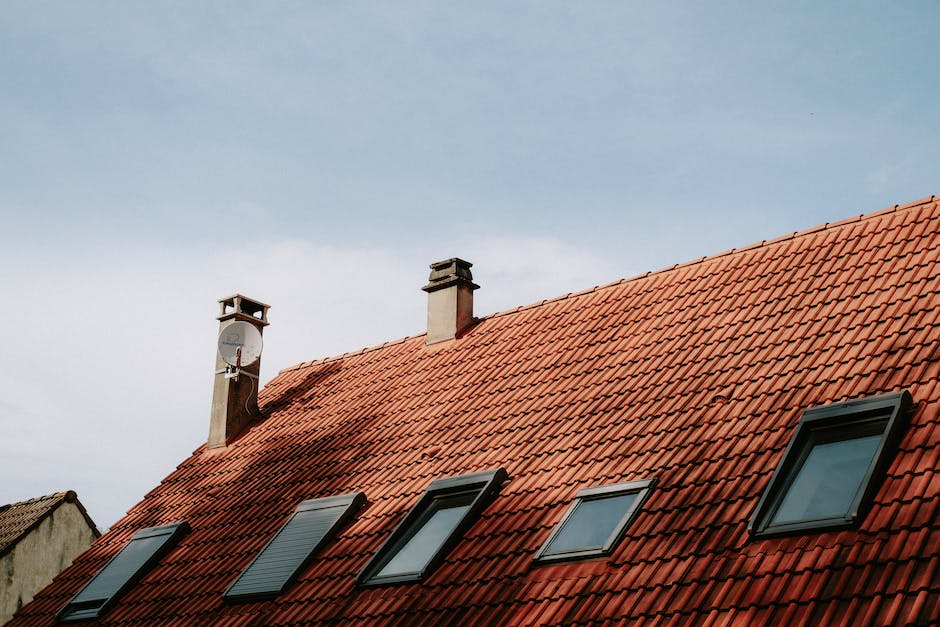
Durability and aesthetics have made tile roofs a popular choice for centuries. But how long does a tiled roof last? Discover the benefits and factors influencing the longevity of tiled roofing, from its unparalleled benefits to the key factors influencing its longevity.
Benefits of Tiled Roofs
A staple in architectural history, tiled roofs have long been revered for their harmonious blend of function and aesthetics. Offering homeowners an impeccable balance between timeless charm and performance, these roofs showcase a distinctive design brimming with salient features:
Durability
Unlike many roofing alternatives that deteriorate rapidly, tiled roofs have repeatedly proven their mettle. Crafted from resilient materials, they promise an unwavering stand against wear and tear, often lasting decades without necessitating extensive overhauls.
Natural Water Shedding
A crucial aspect of any roofing solution is its ability to handle precipitation. Tiled roofs excel in this domain. Their unique structure and installation techniques ensure that water is efficiently channeled away, significantly reducing the potential for water-induced damages, a menace many homeowners dread.
Proper Ventilation
Beyond just shielding from external elements, a roof plays a pivotal role in the internal ambiance of a house. Tiled roofs come to the fore with their enhanced ventilation capabilities. This pivotal feature ensures that moisture doesn’t find sanctuary, curtailing issues like mold growth and wood rot and, in the process, upholding the home’s structural integrity.
Longevity
A roof isn’t just about immediate protection; it’s a long-term investment. And with the right maintenance, tiled roofs can stand the test of time, offering unwavering protection against many weather conditions. Their sturdiness and ability to withstand environmental challenges make them a preferred choice for those seeking a long-lasting roofing solution.
Factors That Affect Life Expectancy
The longevity of a tiled roof doesn’t solely rest on its intrinsic merits. A confluence of external and intrinsic elements profoundly influences its lifespan. Delving deeper, we find:
-
Roofing Material: Beyond aesthetics, the material’s quality is paramount in ensuring a roof’s durability. Premium materials inherently resist wear and provide an enduring shield against external forces.
-
Weather Conditions: A roof’s mettle is tested by its ability to withstand nature’s wrath. Constant battering from extreme weather, from searing heat to icy winters, can compromise a roof’s integrity, demanding due consideration during selection.
-
Regular Maintenance: No installation, however grand, can neglect the march of time. Tiled roofs, too, benefit immensely from routine upkeep, which not only spotlights potential issues but also bolsters longevity.
-
Proper Installation: Even the finest tiles falter if not installed adeptly—precision in installation guarantees that each tile functions at its zenith, fortifying the roof against vulnerabilities.
-
Type of Tile: Tiled roofs aren’t monolithic. The specific tile type, whether clay, concrete, or slate, brings distinct characteristics. These inherent traits play a defining role in determining how long a roof can steadfastly serve its protective purpose.
Regular Maintenance
While the inherent characteristics of tiles promise durability, regular maintenance accentuates their lifespan. Let’s delve into the details.
Cleaning the Roof Surface
For any roof, cleanliness is next to longevity. Routine cleaning is paramount to preserve the roof’s lifespan. Over time, debris like leaves can accumulate, and moss or algae might grow. Especially for high-sloped areas, it’s wise to enlist a professional for thorough cleaning.
Inspecting the Roof and Making Repairs
Periodic inspection of the roof and timely repairs are non-negotiable for its prolonged health. Damage from fallen trees, branches, or severe weather can compromise its integrity. Routine checks for leaks, cracks, and broken tiles, followed by suitable repairs, ensure roof longevity.
Keeping the Gutters Clean
Though often overlooked, gutters play a pivotal role in a roof’s health. Clean gutters prevent water damage, enhancing the tiled roof’s lifespan. This involves removing debris and inspecting for potential blockages.
Checking for Moss, Algae, and Lichen Growth
A pristine roof is not just about cleanliness; it’s also about being free from moss, algae, and lichen. Look for green or black patches, discoloration, or a fuzzy texture. Employ a biodegradable roof cleaner and a soft-bristle brush for effective removal.
Preventing Damage from Extreme Weather Conditions
Tiled roofs are inherently strong, but they’re not invincible. Extreme weather conditions can be a threat. However, clay and concrete tiles showcase exemplary resilience against hurricanes, strong winds, and hailstones.
Proper installation, regular inspections, and timely repairs can mitigate these threats. Moreover, choosing a roofing material that stands up to hurricane-force winds can make a difference.
Different Types of Tile Roofs
In the vast roofing landscape, tile roofs stand out for their unique blend of style and function. Their diversity is an attribute that’s hard to match, offering homeowners myriad choices, each resonating with a different aesthetic and functional philosophy.
-
Clay Tile Roofs: As previously discussed, clay tile roofs are a long-standing favorite, exuding historic charm and proven durability.
-
Concrete Tile Roofs: A more contemporary addition to the tile roofing family, concrete tiles offer an impressive blend of sturdiness and versatility. Made from a mix of sand, cement, and water, these tiles are known for their fire resistance and ability to emulate other materials like wood shakes, slate, or clay. Their heavyweight makes them less susceptible to wind damage, and they typically have a life expectancy of 50 years or more.
-
Slate Tile Roofs: Slate, a natural stone, offers an unmistakably elegant and refined aesthetic to any structure. With a life expectancy that can easily exceed a century, slate roofs are as durable as beautiful. The material is fire-resistant, environmentally friendly, and provides a unique texture and color palette.
-
Metal Tile Roofs: Metal tiles offer a compelling solution in regions prone to wildfires or where lightweight roofs are preferred. Emulating the appearance of more traditional tiles, metal tiles offer enhanced durability fire resistance, and are energy-efficient due to their reflective nature.
-
Synthetic Tile Roofs: A relatively new entrant, synthetic tiles are made from advanced composite materials designed to replicate the appearance of natural slate, wood, or clay tiles. They are lightweight, resistant to breakage, and offer a sustainable roofing solution with good UV protection and durability.
Tile roofing is expansive, offering homeowners a spectrum of choices, each with unique advantages. From the timeless charm of clay and slate to the modern prowess of concrete, metal, and synthetic, there’s a tile roof for every architectural vision and functional demand.
FAQs
1. What is the average lifespan of tiled roofs?
With proper care, tiled roofs can last for several decades, with clay tiles having a life expectancy of 60 years or more.
2. What are the common types of tile roofs?
The most prevalent types include clay and concrete tiles.
3. How can one prolong the life of a tiled roof?
Regular maintenance, timely repairs, and periodic inspections enhance a tiled roof’s lifespan.
4. How often should I inspect my tiled roof for potential issues?
Regular inspections are crucial for the longevity of your roof. Ideally, a professional inspection should be conducted at least once a year. However, it’s wise to do a quick check for any visible damages after severe weather events.
5. Can walking on a tiled roof without causing damage?
While walking on a tiled roof is possible, caution is essential. If not treated correctly, tiles can crack or break. If you need to walk on your roof, it’s advised to wear soft-soled shoes and step on the lower part of the tiles where they overlap. Better yet, consider hiring a professional to avoid potential damages.
Conclusion
Tiled roofs, especially concrete ones, are a testament to architectural excellence, blending durability with aesthetic appeal. Their benefits, factors influencing life expectancy, the essence of regular maintenance, and the different types available make them an unmatched roofing choice. Concrete tiles emerge as a winning choice for homeowners eyeing longevity without compromising on style. Invest wisely; invest in tiled roofing.
Find out where you can get flat roof repairs done near you from our blogs at Rof Nation.