
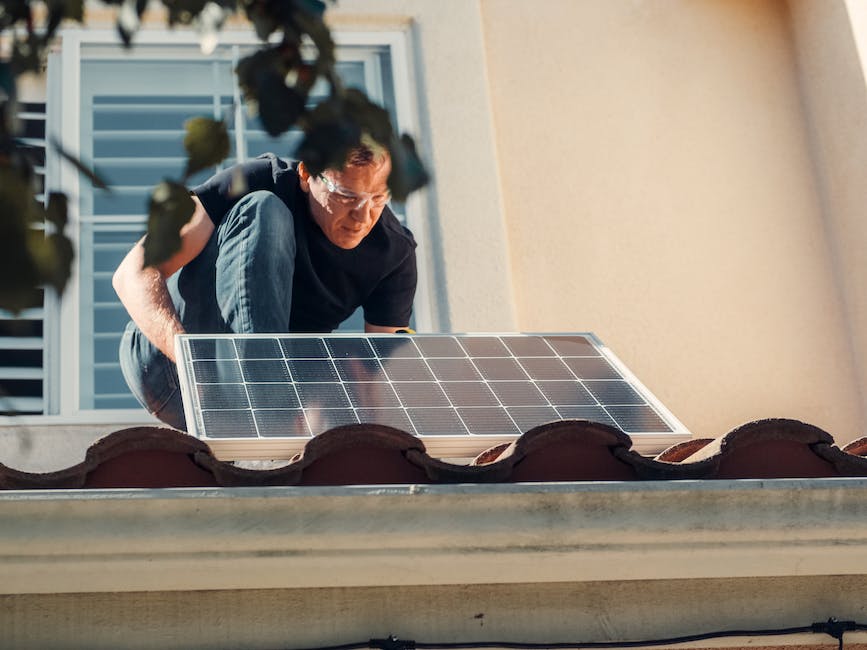
Considering cost factors in roof installation is crucial for proper budget planning and cost analysis before starting a project. This blog post explores the various elements that impact the overall cost of installing a new roof.
By understanding these cost factors, homeowners can make informed decisions and ensure their roofing project stays within budget. Whether it’s materials, labor, or additional features, this article will highlight the key considerations involved in roof installation projects.
Key Takeaways
-
The type of roofing material chosen is a primary cost determinant, with options ranging from economical asphalt shingles to premium slate or metal.
-
Larger and more complex roof designs will incur higher costs due to increased labor and materials.
-
Be prepared for potential hidden damages that may require additional repairs, impacting the overall budget.
-
Local building codes and regulations can influence costs, making compliance a non-negotiable expense.
-
Investing in licensed and insured contractors may have a higher upfront cost but can save money by ensuring quality and reducing liability.
“Asphalt shingles cover 80% of American homes, making them the most popular roofing material due to their cost-effectiveness and ease of installation.”
Factors impacting the cost of roof installation
Several factors can influence the overall cost. Let’s take a closer look at some key factors that impact the expenses involved in installing a new roof.
Material Choice
The choice of roofing materials plays a significant role in determining the total roof installation cost. Different materials have varying costs, durability, and aesthetic appeal. For example:
-
Asphalt shingles are one of the most affordable options[1].
-
Metal roofs tend to be more expensive but offer longevity and energy efficiency.
-
Tile or slate roofs are known for their durability but have a higher price tag.
Roof Size and Complexity
The size and complexity of the roof also affect installation expenses. Larger roofs require more materials and labor, resulting in higher costs. Complex roof designs with multiple angles, valleys, or skylights can increase installation time and effort.
Additional Factors
Apart from material choice and roof size, other factors can impact the overall cost of roof installation:
-
Location: The cost may vary depending on your geographical location due to differences in labor rates and material availability.
-
Labor Costs: Hiring experienced roofing contractors or installers may come at a higher price but ensures quality workmanship.
-
Permits: Obtaining necessary permits for roof installation adds to the overall expenses.
Considering these factors is crucial when budgeting for your new roof. It’s essential to consult with reputable roofing professionals who can provide accurate estimates based on your specific requirements.
Factors affecting the cost of a new roof
When considering a new roof, various elements come into play that can influence the overall cost. This guide delves into the factors homeowners should be aware of to budget effectively for their roofing project.
Roofing materials and their impact on project costs
The type of roofing material you choose can have a significant impact on the overall cost of your new roof[2]. Different materials come with different price tags, so it’s essential to consider your budget and preferences when making this decision.
For example:
-
Asphalt shingles are one of the most popular and affordable roofing options. They are relatively inexpensive compared to other materials.
-
Metal roofs, such as steel or aluminum, are more expensive upfront but offer long-term durability and energy efficiency.
The role of pitch or slope and architectural features
The pitch or slope of your roof can affect the complexity of the installation process, which in turn impacts cost. Steeper roofs require more safety precautions and may involve additional labor expenses. Architectural features like dormers or skylights can increase the project’s complexity, adding to the overall cost.
“The average lifespan of a roof is 20-30 years, but this can vary widely based on material choice and maintenance practices.”
Other considerations that contribute to total costs
In addition to roofing materials and architectural factors, several other considerations contribute to the total cost of a new roof:
-
Underlayment: A protective layer is installed beneath the roofing material.
-
Insulation: Adding insulation during roof installation can enhance energy efficiency but comes with an extra cost.
-
Ventilation systems: Proper ventilation is crucial for maintaining a healthy indoor environment.
-
Flashing: These metal pieces help prevent water leaks around chimneys, vents, or other protrusions.
It’s important to factor in these additional elements when estimating the cost of your new roof.
Calculating the cost of a roof replacement
Replacing an existing roof involves several steps in estimating the total cost. By following these steps, you can accurately calculate the overall cost of your new roof.
Measuring Square Footage
The first step is to measure the square footage of your current roof. This measurement is crucial as it determines the material required for the replacement. Include any additional structures like chimneys or skylights in your measurements.
Determining Material Requirements
Once you have measured the square footage, it’s time to determine the material requirements. Different materials have varying costs, so this step helps estimate the overall cost accurately. For example, if you choose asphalt shingles, you’ll need to calculate how many bundles are necessary based on your square footage.
Factoring in Labor Costs
Labor costs form a significant part of the total cost of a roof replacement. It’s essential to consider this factor when calculating expenses. The complexity and size of your roof will influence labor costs. Hiring professional roofing contractors like Landmark Roofing may ensure quality workmanship but can also increase labor costs.
Additional Expenses and Unforeseen Repairs
Apart from material and labor costs, other expenses should be factored into your calculations. These include disposal fees for removing old roofing materials and potential unforeseen repairs that may arise during the replacement process. It’s wise to set aside some budget for such contingencies.
By considering these factors—measuring square footage, determining material requirements, factoring in labor costs, and accounting for additional expenses—you can arrive at a more accurate estimate of the total cost of replacing your roof.
Process of old roof removal and disposal
When considering a new roof, various elements come into play that can influence the overall cost. This guide delves into the factors homeowners should be aware of to budget effectively for their roofing project.
Step-by-Step Procedures for Removing an Old Roof
Removing an old roof is a crucial step in installing a new one. Here’s a breakdown of the step-by-step procedures involved:
-
Inspection: Start by inspecting the existing roof to assess its condition and identify potential issues.
-
Safety Precautions: Before beginning the removal process, take necessary safety precautions. This includes wearing protective gear such as gloves, goggles, and sturdy footwear.
-
Clear the Area: Clear the surrounding area around your home or building to create space for debris disposal.
-
Remove Shingles: Begin removing the shingles from the top down using specialized tools like a roofing shovel or pry bar. Take care not to damage any underlying structures during this process.
-
Inspect Underlayment: Once all shingles are removed, inspect the underlayment for any signs of damage or deterioration. Replace it if necessary to ensure proper protection for your new roof.
-
Dispose of Debris: Gather all debris from the old roof and load it onto a dump truck or similar vehicle for proper disposal at designated waste management facilities.
Safety Precautions During Demolition and Disposal
During both demolition and disposal processes, it’s essential to prioritize safety to prevent accidents or injuries:
-
Use caution when working on roofs, especially when removing heavy materials.
-
Secure ladders properly before climbing up or down.
-
Avoid working in extreme weather conditions that can make surfaces slippery.
-
Dispose of sharp objects safely to prevent puncture wounds.
-
Follow local regulations regarding waste disposal to ensure compliance with environmental standards.
Environmentally Friendly Disposal Options
When disposing of old roofing materials, consider environmentally friendly options:
-
Recycling: Check if there are recycling facilities in your area that accept old roofing materials, such as shingles. Recycling helps reduce waste and contributes to sustainability efforts[3].
-
Reuse: If the old roof materials are still in good condition, consider donating them to organizations or individuals who can repurpose them for other projects[3].
By following proper procedures, taking safety precautions, and exploring environmentally friendly disposal options, you can ensure a smooth and responsible removal of your old roof before installing a new one.
“Nearly 5% of annual home renovation budgets are allocated for roofing, highlighting its importance in home maintenance and value.”
Additional considerations for roof replacement costs
Beyond the basic materials and labor, there are additional considerations that can affect the cost of replacing a roof. This section explores those extra factors to give homeowners a comprehensive understanding of potential expenses.
Hidden Expenses and Repairs
Roof replacement costs go beyond the basic materials and labor. There are additional factors that can impact the overall expenses. One of these considerations is hidden damage that may be discovered during the roof replacement. Structural damage, such as rotting wood or weakened decking, can add to the project’s cost. Repairing these issues before installing a new roof ensures a solid foundation and prevents future problems.
Local Building Codes and Regulations
Local building codes and regulations play a significant role in determining the cost of roof replacement. These codes vary from one area to another, and compliance is essential to ensure safety and legality. Contractors must adhere to specific roof installation requirements, such as using certain materials or following specific installation methods. Failure to comply with these regulations can result in costly fines or having to redo the work.
Importance of Hiring Licensed and Insured Contractors
It’s crucial to choose licensed and insured professionals. Working with unlicensed individuals might seem like a way to save money initially, but it can lead to significant liabilities. Licensed contractors have undergone proper training and possess the expertise to handle roof installations correctly.
Insurance coverage is equally important since accidents can happen during construction projects. Hiring insured contractors protects you from potential liabilities if any mishaps occur on your property during the roof replacement process.
FAQs
1. What are the most common roofing materials used for installations?
The most common roofing materials used for installations include asphalt shingles, metal roofs, clay tiles, concrete tiles, and wood shakes. Each material has advantages and disadvantages regarding durability, aesthetics, and cost.
2. How long does a typical roof installation take?
The duration of a roof installation depends on various factors, such as the size of the roof, weather conditions, and complexity of the project. On average, it can take anywhere from a few days to several weeks to complete a roof installation.
3. Are there any government incentives or rebates available for roof installations?
Yes, there may be government incentives or rebates available for certain types of energy-efficient roofing systems or if you opt for environmentally friendly options. You should check with local authorities or consult your contractor to see if you qualify for any incentives.
4. Can I install a new roof over my existing one?
In some cases, it is possible to install a new roof over an existing one. However, this approach may not always be recommended as it can add unnecessary weight to the structure and compromise its integrity. It’s best to consult with a professional roofing contractor to assess whether an overlay installation is suitable for your specific situation.
5. How can I ensure the longevity of my new roof?
Regular maintenance, inspections, and prompt repairs are key to ensuring the longevity of your new roof. It’s important to address any issues or damages promptly to prevent them from escalating and causing further damage. Following manufacturer guidelines for maintenance and cleaning can help extend the lifespan of your roof.
Conclusion
Key factors like material choice, labor, roof size, and additional aspects are vital in roofing costs. Accurate cost assessment enables informed decisions. Consultation with roofing experts ensures precise estimates and guidance, aligning your project with your budget.
Are you keen on finding torch roofing services for your property? Read more about it from ur resources at Roof Nation today.